Inca Trail 2 Days To Machu Picchu

Book your next adventure at the best price.
Group Size
Min 2 Persons
Duration
Activity Type
Tour Cultural
Season
All Year
Food
Not included
Physical Level
Easy
Physical Level
Easy
Lodge/Hotel
Easy

Overview

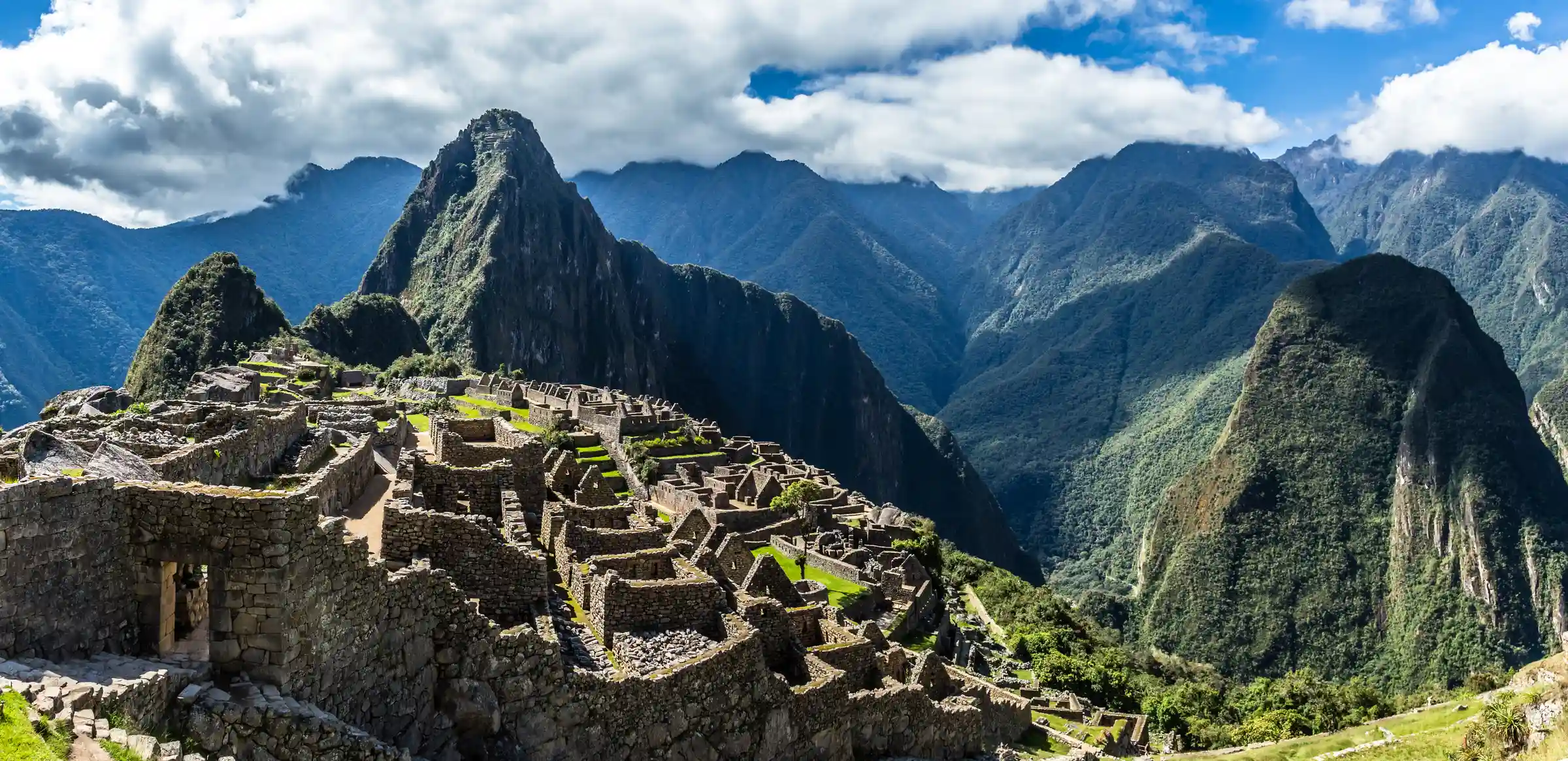
The 2-day Inca Trail experience represents an exceptional choice for travelers seeking authentic mountain trekking combined with comprehensive exploration of Machu Picchu, one of the world’s most significant archaeological sites. This itinerary compresses the essential elements of the legendary Inca Trail into a concentrated 2-day format, allowing participants with moderate time availability to accomplish meaningful trekking objectives while maintaining reasonable physical demands. Rather than committing to 4 or 6-day expeditions requiring substantial time away from other travel activities, this 2-day variant provides a balanced compromise between comprehensive trail experience and practical time constraints for most international travelers.

BEST TOUR OPTION
Price from $ 0.00 USD Per Person
s
  • Visit Machupicchu with a professional expert guide.
  • Enjoy a comfortable and safe journey with transport and trains.
  • Use your free time in Aguas Calientes to explore.
  • Make a quick and reliable booking with flexible payments.
  • Ask about essential items and optional services like hotels.

Overview

The 2-day format accomplishes significant physical and cultural achievements through strategic itinerary design. Participants walk 12 kilometers along original Inca-constructed stone pathways, encountering multiple important archaeological sites that reveal the sophistication of Inca engineering and urban planning capabilities. Walking these ancient routes creates direct physical connection to Inca civilization’s achievements, transforming historical knowledge into visceral understanding through personal experience of terrain that Inca peoples navigated regularly. Your professional guide, fluent in English, Spanish, and Quechua, provides detailed explanations of each site’s historical significance, architectural features, and cultural context, enriching understanding of locations visited.

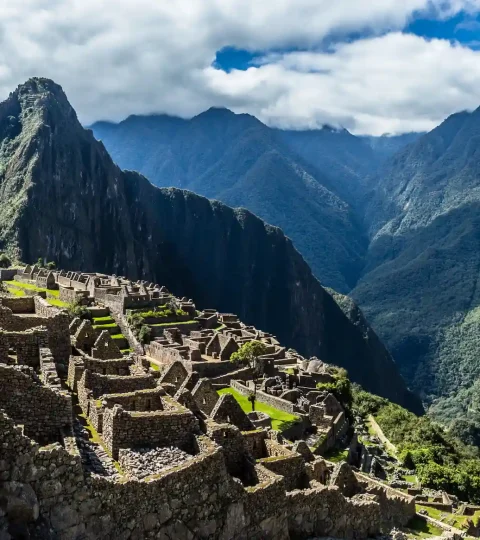
The itinerary strategically positions your arrival at Machu Picchu to maximize visual impact and photographic opportunities. You arrive at Inti Punku (Sun Gate), the iconic viewpoint revealing Machu Picchu from above during afternoon hours when lighting conditions create optimal photography. This arrival time allows sufficient daylight for exploring the upper terraces and capturing images from the most famous vantage points. Following overnight accommodation in Aguas Calientes, your second day provides early morning entry to the Inca City, allowing comprehensive guided exploration of the principal structures, temples, and archaeological zones when participant energy levels remain high and crowds remain minimal.

Transportation management ensures seamless transitions between driving, train travel, and trekking components. MACHU PICCHU TEAM’s private vehicles handle all transfers to and from Ollantaytambo train station, eliminating the complexity of arranging independent transportation and ensuring punctual arrival for scheduled train departures. Train service from Ollantaytambo connects the Sacred Valley’s lower elevations to Km 104 trailhead, reducing unnecessary hiking at low-value elevations. Similarly, after your Machu Picchu experience, a modern train returns you from Aguas Calientes to Ollantaytambo, with private transportation completing your journey back to Cusco. This comprehensive door-to-door service model distinguishes MACHU PICCHU TEAM’s offering from competitors.

Food and beverage provisions integrate naturally into your 2-day schedule, with a packed lunch provided during your rest period at Wiñaywayna and dinner served in Aguas Calientes upon completion of your first day’s hiking. Your second day includes breakfast at your hotel before your Machu Picchu visit, with the flexibility to choose your own lunch option from Aguas Calientes restaurants based on personal preferences and timing. Both included meals emphasize locally sourced, organic ingredients reflecting regional culinary traditions. Vegetarian and vegan options are available without additional charges, accommodating diverse dietary preferences and ensuring all participants maintain adequate nutrition for sustained physical activity.

Accommodation in Aguas Calientes provides essential recovery between your trekking day and your comprehensive archaeological site exploration. The hotel stay allows shower facilities, comfortable bedding, and meal services in a proper building, contrasting with multi-day treks requiring tent camping. This overnight accommodation reduces physical fatigue accumulation, allowing you to approach your second day with renewed energy and focus. Aguas Calientes, the gateway town to Machu Picchu, features local restaurants, markets, and cultural experiences providing evening entertainment and cultural engagement after your hiking day.

The physical intensity of this 2-day experience requires reasonable fitness levels and mental preparation for sustained hiking, though the itinerary eliminates the cumulative fatigue emerging over multi-day treks at high elevations. The moderate elevation profile (maximum 2,720 meters) and single-day camping requirement create manageable demands compared to longer alternatives. MACHU PICCHU TEAM’s experienced guides, professional porters, and comprehensive support systems ensure participant safety throughout the activity, with first-aid kits and oxygen bottles available for any health concerns. This carefully structured itinerary allows time-constrained travelers to accomplish significant trekking achievements while maintaining reasonable physical boundaries and enjoying comprehensive archaeological site exploration.

Trip details

  • Pickup Location: Hotel pickup in Cusco between 3:45 and 4:15 a.m.
  • Alternative Pickup: Sacred Valley locations (Ollantaytambo, Urubamba, Calca, Pisac) around 5:00 a.m.
  • Drop-off Location: Hotel drop-off in Cusco after return
  • Tour Duration: 2 days, 1 night
  • Service Classification: Guided trekking tour with hotel accommodation and all-inclusive provisions
  • Daily Departures: Available 7 days weekly, bookable for any desired date subject to permit availability
  • Maximum Group Size: 12 participants per departure (2 guides provided for groups of 10 or more)
  • Inca Trail and Machu Picchu Permits: Included in tour package cost
  • Machu Picchu Entries: 2 separate entries (Day 1 upper terraces, Day 2 full citadel exploration)
  • Meals Included: 1 lunch (Day 1), 1 dinner (Day 1), 1 breakfast (Day 2)
  • Total Trekking Distance: 12 kilometers
  • Difficulty Rating: Regular/Moderate
  • Recommended Season: April through October (highest weather stability)
  • Vegetarian and Vegan Options: Available without additional charges upon request
  • Hotel Accommodation: One-night stay in Aguas Calientes hotel (standard category)
  • Free Luggage Storage: Available at MACHU PICCHU TEAM office during trek
  • Transportation Type: MACHU PICCHU TEAM private vehicles operated by experienced drivers
  • Train Service Options: 2 train operators available with upgrade possibilities
  • Professional Guide: Licensed, experienced guide fluent in English, Spanish, and Quechua
  • Safety Equipment: First-aid kit and oxygen bottle provided
  • Group Atmosphere: Small-to-medium group size promoting community among participants

Trip Summary

Day 1: CUSCO TO OLLANTAYTAMBO TO KM 104 TO INCA TRAIL TO MACHU PICCHU TO AGUAS CALIENTES

  • 3:45 to 4:15 a.m. – Hotel pickup in Cusco
  • 4:15 to 6:00 a.m. – Private transportation from Cusco to Ollantaytambo train station (1 hour, 45 minutes)
  • 6:00 to 6:10 a.m. (or 6:40 a.m.) – Train station arrival and check-in procedures
  • 6:10 a.m. or 6:40 a.m. – Train departure from Ollantaytambo to Km 104 (depends on availability)
  • 6:10 to 7:30 a.m. (or 6:40 to 7:50 a.m.) – Train journey along Urubamba River (approximately 1 hour, 20 minutes)
  • 7:30 or 8:00 a.m. – Arrival at Km 104 trailhead
  • 8:00 to 8:30 a.m. – Control point processing and guide briefing
  • 8:30 to 9:00 a.m. – Exploration of Chachabamba Inca archaeological site (30 minutes)
  • 9:00 a.m. to 12:00 p.m. – Uphill trek to Wiñaywayna (approximately 3 hours, 6 kilometers)
  • 12:00 to 1:30 p.m. – Rest and exploration of Wiñaywayna archaeological site (1.5 hours)
  • 1:30 to 2:00 p.m. – Lunch break with packed meal (30 minutes)
  • 2:00 to 4:00 p.m. – Trek from Wiñaywayna to Inti Punku (Sun Gate) (approximately 2 hours, 4 kilometers)
  • 4:00 to 5:00 p.m. – Inti Punku exploration and Machu Picchu viewpoint photography (1 hour)
  • 5:00 to 5:45 p.m. – Descent and arrival at Machu Picchu upper terraces (45 minutes, 1.5 kilometers)
  • 5:45 to 6:00 p.m. – Brief exploration of upper terraces and iconic viewpoint areas (15 minutes)
  • 6:00 to 6:30 p.m. – Private transportation descent from Machu Picchu to Aguas Calientes station (30 minutes)
  • 6:30 to 7:00 p.m. – Arrival in Aguas Calientes and hotel check-in
  • 7:00 p.m. – Dinner at local restaurant with guide
  • Evening – Free time for rest, exploration, or personal activities

Day 1 Summary: 12 kilometers total trekking, approximately 6 hours of actual hiking, hotel accommodation with comfortable bedding and facilities

Day 2: AGUAS CALIENTES TO MACHU PICCHU TO OLLANTAYTAMBO TO CUSCO

  • 4:30 a.m. – Hotel wake-up
  • 5:00 a.m. – Breakfast at hotel
  • 5:15 to 5:30 a.m. – Walk to bus station in Aguas Calientes
  • 5:30 a.m. – Bus departure from Aguas Calientes to Machu Picchu (first available bus)
  • 5:30 to 6:00 a.m. – Bus journey uphill to Machu Picchu (30 minutes)
  • 6:00 a.m.Machu Picchu archaeological park entrance opening
  • 6:00 a.m. to 8:30 a.m. (approximately) – Guided comprehensive tour of Machu Picchu lower citadel and principal structures (2.5 hours)
  • 8:30 to 9:00 a.m. – Free personal exploration time of Machu Picchu (30 minutes)
  • 9:00 a.m. – Mandatory exit from Machu Picchu archaeological site
  • 9:00 to 9:30 a.m. – Descent from Machu Picchu to bus station area
  • 9:30 a.m. to 2:00 p.m. – Free time in Aguas Calientes for lunch, exploration, shopping, or rest (approximately 4.5 hours)
  • 2:00 to 2:20 p.m. – Walk to train station for departure
  • 2:20 p.m. or 2:55 p.m. – Train departure from Aguas Calientes to Ollantaytambo (depends on availability)
  • 2:20 to 4:00 p.m. (or 2:55 to 4:30 p.m.) – Train return journey along Urubamba River (approximately 1 hour, 45 minutes)
  • 4:00 or 4:30 p.m. – Arrival in Ollantaytambo train station
  • 4:00 to 6:00 p.m. (or 4:30 to 6:30 p.m.) – Private transportation from Ollantaytambo to Cusco (2 hours)
  • 6:00 to 6:30 p.m. (or 6:30 to 7:00 p.m.) approximately – Hotel drop-off in Cusco, tour completion

Day 2 Summary: Minimal hiking (downhill descent only), approximately 2.5 hours guided archaeological site exploration, extensive free time in Aguas Calientes

Itinerary

Your 2-day Inca Trail adventure commences with hotel pickup in Cusco between 3:45 and 4:15 a.m., an exceptionally early departure allowing adequate travel time to Ollantaytambo train station. MACHU PICCHU TEAM’s private transportation provides this transfer, operated by experienced drivers familiar with mountain roads and trained in passenger safety. If you selected Sacred Valley pickup (Ollantaytambo, Urubamba, Calca, or Pisac), your pickup occurs around 5:00 a.m., allowing slightly later departure. During the 1 hour, 45-minute journey toward the Sacred Valley, the landscape gradually transitions from the urban environment of Cusco toward agricultural regions and mountain valleys characteristic of the Andes foothills. You arrive at Ollantaytambo train station around 6:00 a.m., allowing time for check-in procedures before your scheduled train departure.

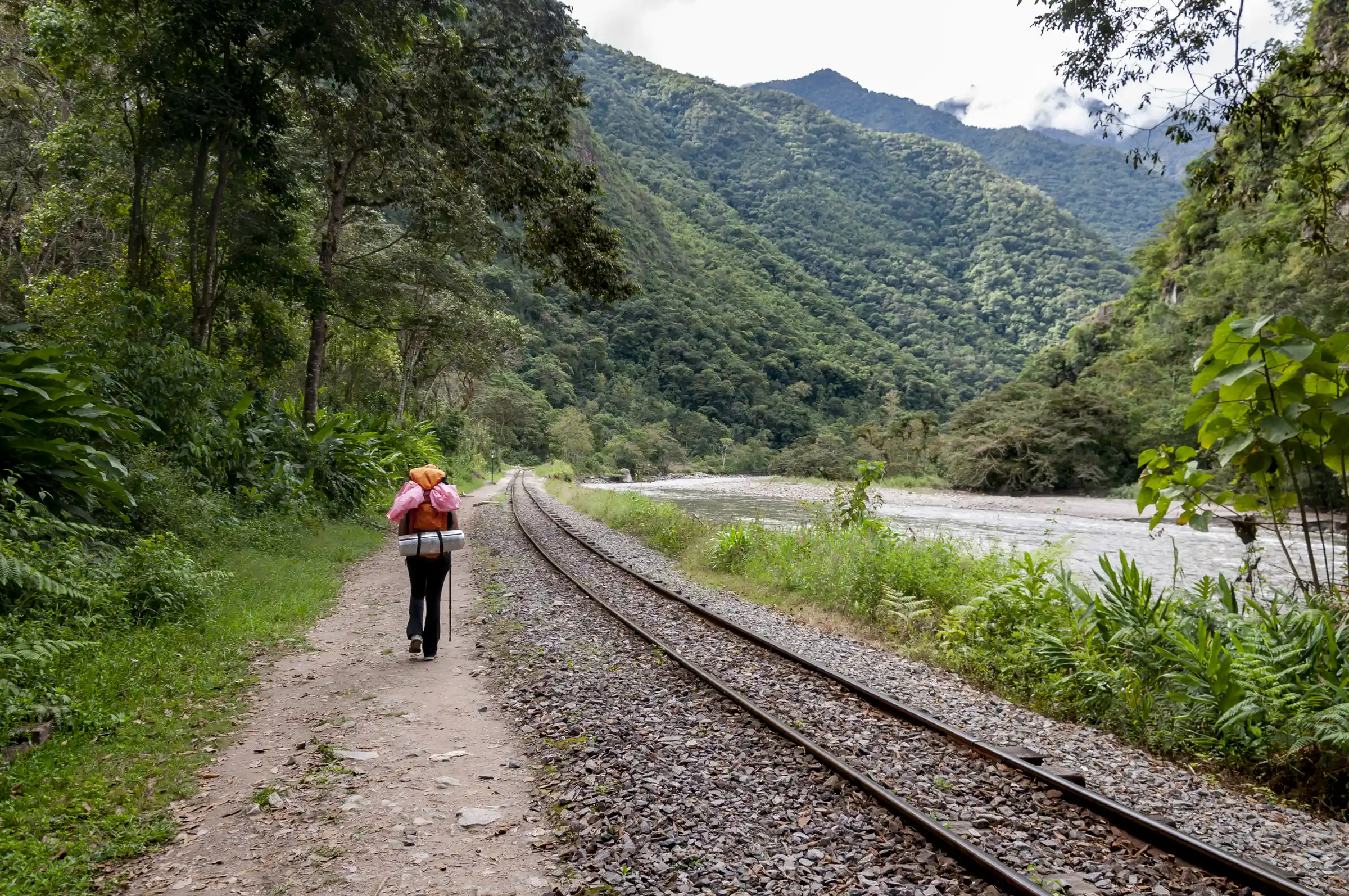
Your train departs Ollantaytambo at either 6:10 a.m. or 6:40 a.m., depending on availability and scheduling. The train journey to Km 104 covers approximately 1 hour, 20 minutes, traveling alongside the Urubamba River, one of the Sacred Valley’s primary water sources. During this scenic train journey, you pass through increasingly remote terrain as elevation remains relatively constant. The train ride provides your final opportunity to rest comfortably before beginning your trekking day. Upon arrival at Km 104 around 7:30 to 8:00 a.m., you disembark and meet your assigned professional guide. This guide is licensed, government-authorized, experienced in facilitating international trekkers, and fluent in English, Spanish, and Quechua.

At the Km 104 control point, your guide manages checkpoint procedures, confirming your permits and Inca Trail documentation with authorities. During this checkpoint processing (approximately 30 minutes), your guide provides a comprehensive briefing regarding the day’s route, expected conditions, safety protocols, pacing expectations, and the archaeological sites you will encounter. You receive detailed information about water availability, rest locations, and the expected timeline for reaching each major site. Your guide emphasizes the importance of maintaining hydration, managing your pace sustainably, and staying together as a group throughout the trek.

From the control point, your trekking begins immediately, accessing the Inca Trail and reaching Chachabamba, an important Inca archaeological site, within 30 minutes of walking. This Inca construction features preserved structures demonstrating the engineering capabilities and architectural principles employed by Inca builders. Your guide provides detailed explanations of the site’s function within the broader Inca road system, the techniques used in stone construction without mortar, and the presence of water management features reflecting Inca hydraulic knowledge. You spend approximately 30 minutes exploring these structures, capturing photographs and absorbing the historical significance of this location.

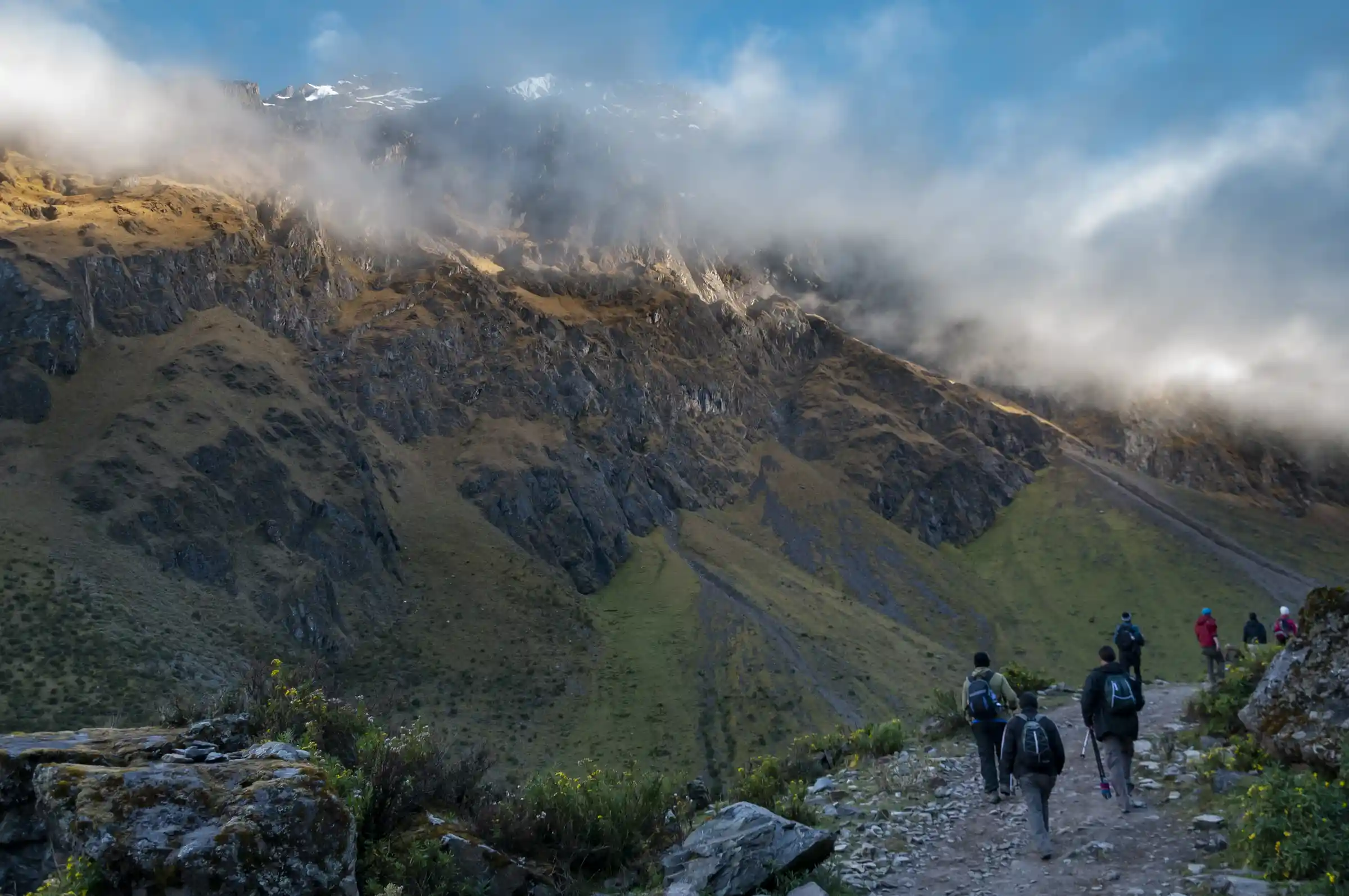
From Chachabamba, your trek continues uphill for the next 3 hours, covering approximately 6 kilometers to reach Wiñaywayna, another substantial Inca archaeological site positioned at higher elevation. This section of trekking proceeds along stone-paved sections of the original Inca Trail, with the pathway demonstrating preservation across centuries of use. The vegetation gradually transitions from lower-elevation vegetation toward cloud forest characteristics as you climb. The hiking pace is moderate but sustained, requiring consistent physical effort without extreme intensity. Your guide encourages you to maintain a steady walking speed, suggests periodic rest breaks when your body requires recovery, and ensures you consume water regularly to maintain hydration throughout the morning’s physical activity.

Upon arrival at Wiñaywayna around 12:00 p.m., you have 1.5 hours of time allocated for rest, exploration, and recovery from the morning’s hiking. Wiñaywayna, translating to “Forever Young,” represents one of the Inca Trail’s most visually impressive archaeological sites, featuring agricultural terraces built on steep mountainside terrain and numerous residential structures demonstrating sophisticated construction techniques. The site extends across several elevation levels, showcasing Inca ability to construct functional settlements on challenging topography. Your guide provides comprehensive explanation of the site’s architectural elements, its function within the Inca administrative system, and theories regarding its significance in relation to Machu Picchu. The site’s elevated position provides panoramic views of surrounding mountains and valleys, creating photographic opportunities and dramatic scenic appreciation.

Following your exploration of Wiñaywayna, you enjoy a lunch break beginning around 1:30 p.m. Your packed lunch features locally sourced, organic ingredients including proteins, vegetables, grains, and fresh fruits. This meal is provided in packed format (no cooking is permitted along this section of the trail due to park regulations). Vegetarian and vegan options are provided without additional charges if you specified dietary preferences during booking. You rest at this location, allowing your muscles to recover briefly before the afternoon’s trekking segment. Your guide reviews the afternoon’s plans, identifying the remaining distance to Inti Punku and emphasizing the importance of pacing for the final climb.

At approximately 2:00 p.m., you resume trekking, beginning the final ascent to Inti Punku (Sun Gate). This 2-hour segment covering 4 kilometers represents the most emotionally significant portion of your first day’s trek. As you climb toward Inti Punku, anticipation builds regarding your first unobstructed view of Machu Picchu from above. The trail continues along stone-paved Inca routes, with the pathway becoming increasingly narrow and the surrounding vegetation becoming denser as you approach the cloud forest zone. Physical exertion at this altitude requires measured pace and focused breathing, but the emotional momentum of approaching Machu Picchu carries most trekkers forward.

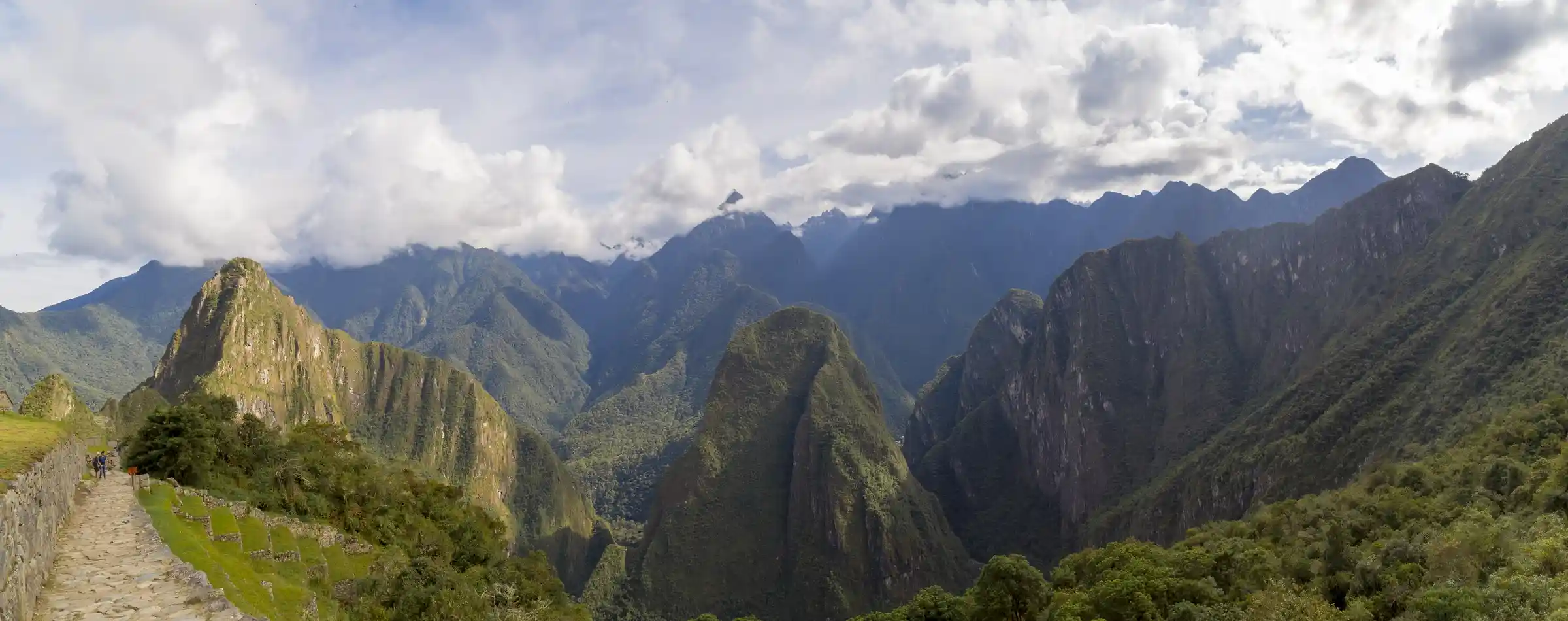
You arrive at Inti Punku around 4:00 p.m., the moment when Machu Picchu becomes fully visible below you in the valley. This location provides the iconic first view of the Inca City that appears in countless photographs and represents a pivotal moment in many trekkers’ experiences. The vertical perspective from Inti Punku allows appreciation of the Machu Picchu architectural layout, its positioning within the surrounding valley, and its defensive characteristics. You spend approximately 1 hour at this location, allowing adequate time for photography, emotional processing of arriving at this significant site, and your guide’s detailed explanation of the historical significance and architectural features visible from this vantage point.

From Inti Punku, you descend approximately 45 minutes to reach Machu Picchu‘s upper terraces around 5:00 p.m. Upon arrival, you participate in a brief orientation tour of the upper terraces, focusing on the most iconic structures and viewpoints that provide famous postcard photographs. Your guide explains the Guardian’s House, the agricultural terraces, and the Intihuatana Stone (the astronomical observation point). You are provided with approximately 15 minutes to capture photographs from the most iconic angles and viewpoints. Government regulations restrict Day 1 access to the upper terraces only, with comprehensive citadel exploration reserved for Day 2.

By 6:00 p.m., you begin your descent from Machu Picchu toward the bus station. Private transportation awaits you at the Machu Picchu entrance area around 6:30 p.m., providing a 30-minute descent to Aguas Calientes town. This descent by vehicle allows physical recovery after your day’s hiking while providing continued scenic views of the surrounding landscape. Upon arrival in Aguas Calientes around 6:30 to 7:00 p.m., your guide arranges your hotel check-in. You have time to rest, shower, and prepare for dinner.

Around 7:00 p.m., your group gathers for dinner at a designated local restaurant featuring Peruvian cuisine with locally sourced ingredients. This meal provides necessary nutritional replenishment following your day’s physical exertion while offering your first opportunity to relax in a proper building with comfortable facilities. Your guide reviews the next day’s schedule, providing important information regarding your early morning wake-up time, breakfast timing, and Machu Picchu entry procedures. Following dinner, you return to your hotel for rest and recovery before your second day’s early morning activities.

You are awakened at 4:30 a.m. by hotel staff, allowing time for personal preparation before breakfast service. By 5:00 a.m., breakfast is served at your hotel, providing carbohydrate-rich foods to fuel the day’s archaeological exploration. This meal emphasizes locally sourced ingredients and adequate quantity to sustain your energy throughout the morning’s intensive activities. Following breakfast, you walk to the bus station in Aguas Calientes, a short distance requiring approximately 10 to 15 minutes of walking downhill through town streets.

You board the bus for Machu Picchu around 5:30 a.m., one of the earliest departures available, ensuring early arrival and minimal crowds. The scenic 30-minute bus ride climbs switchback roads through cloud forest, with views of the Urubamba River valley below. Upon arrival at Machu Picchu‘s entrance around 6:00 a.m., just as the archaeological park opens for the day, you complete entry procedures. Your government-issued entry tickets are presented, and you proceed with your guide into the Inca City.

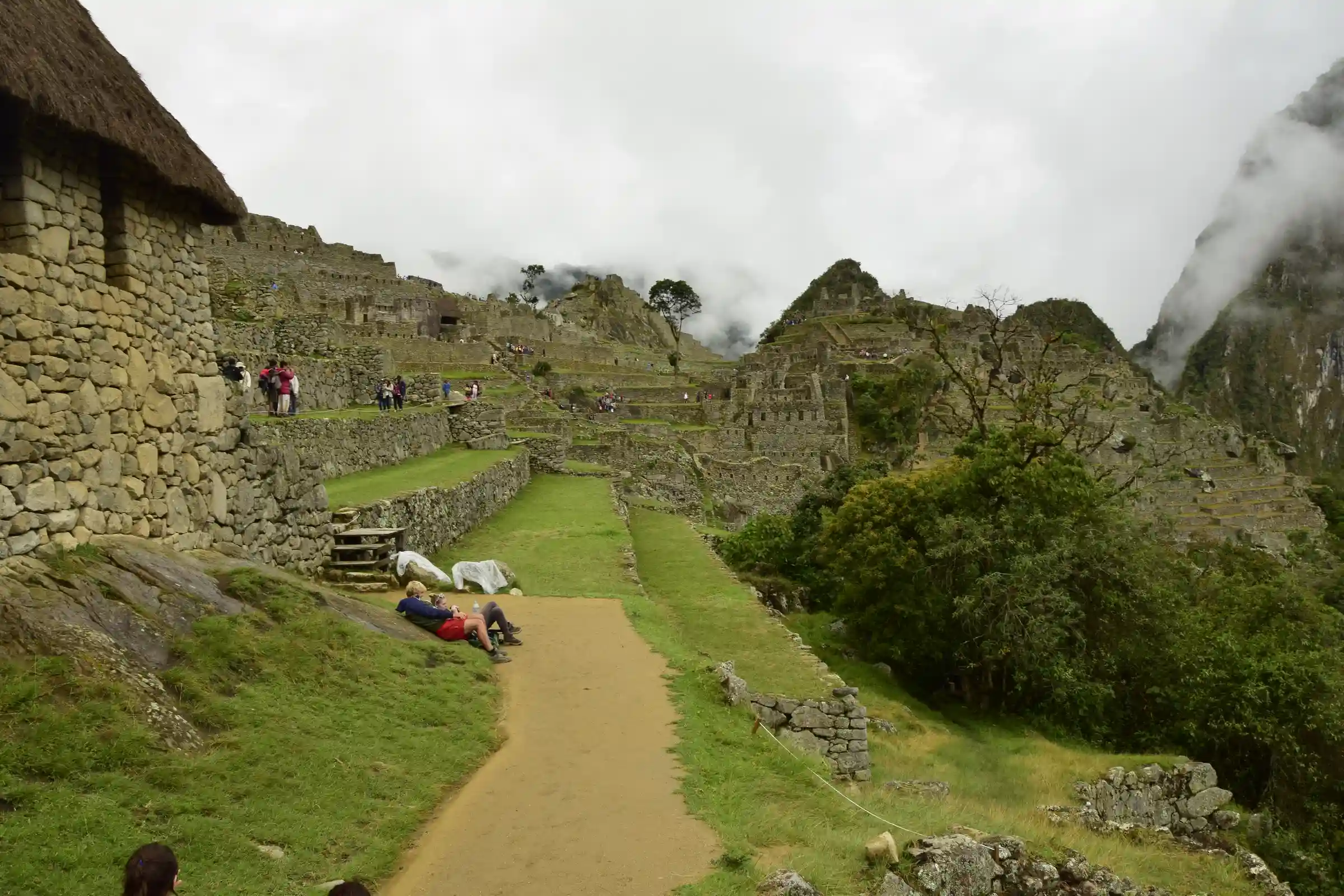
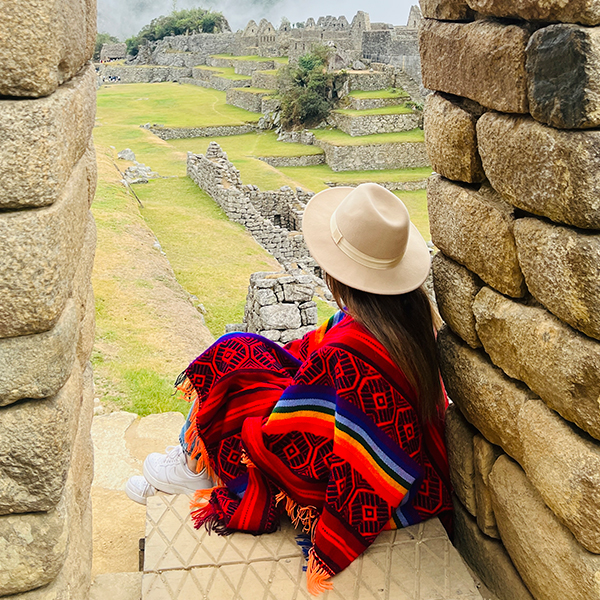
From 6:00 to 8:30 a.m., your guide conducts a comprehensive, educational tour of Machu Picchu‘s principal structures and archaeological zones. This 2.5-hour guided exploration covers the Temple of the Sun, examining its astronomical alignments and ceremonial functions; the Intihuatana Stone, the most important astronomical observation point; the Temple of the Three Windows, with its distinctive three-window architectural design; the Sacred Plaza and surrounding ritual spaces; and residential terraces demonstrating Inca construction techniques. Your guide explains how Incas constructed these buildings without mortar, the sophisticated engineering allowing structures to endure for over 500 years, and theories regarding each site’s original functions. This comprehensive tour provides cultural context transforming your archaeological site visit from visual appreciation into historical understanding.

Following the guided tour, from 8:30 to 9:00 a.m., you have approximately 30 minutes of free personal exploration time within the Inca City. This time allows you to revisit favorite areas, capture additional photographs, contemplate specific structures, or explore zones your guide indicated but time did not permit full exploration. Government regulations limit Day 2 access to 2.5 hours total within Machu Picchu, requiring exit by 9:00 a.m. approximately.

By 9:00 a.m., you begin descent from Machu Picchu back toward the bus station, completing your approximately 30-minute descent by 9:30 a.m. At this point, you have the remainder of your day free—approximately 4 to 5 hours—before your 2:20 p.m. or 2:55 p.m. train departure. This substantial free time allows flexible options: lunch at a local restaurant (with numerous dining options available throughout Aguas Calientes), exploration of the town’s markets and shops featuring local artisan goods, a visit to hot springs located near town, rest at your hotel, or simply relaxation in this gateway community while processing your extraordinary 2-day experience.

Around 2:00 to 2:15 p.m., you gather as a group and walk to Aguas Calientes train station. Your train departs around 2:20 p.m. or 2:55 p.m., depending on availability and your selected service level. The return train journey retraces your outbound route along the Urubamba River, returning you to Ollantaytambo by approximately 4:00 to 4:30 p.m. This 1 hour, 45-minute train journey provides opportunity for final reflection on your trekking experience while enjoying scenic river valley views.

Upon arrival in Ollantaytambo, MACHU PICCHU TEAM’s private transportation awaits you with a driver displaying your name on a sign. The final 2-hour transfer returns you to your Cusco hotel, with journey timing varying slightly based on afternoon traffic conditions. You arrive at your hotel between 6:00 and 7:00 p.m., concluding your extraordinary 2-day Inca Trail and Machu Picchu experience. Throughout this final day, MACHU PICCHU TEAM’s representative remains available to coordinate logistics and ensure your safe return to Cusco.

Inclusions

Included

MACHU PICCHU TEAM’s 2-day Inca Trail package provides comprehensive inclusions covering all major components of your trekking and archaeological site exploration experience:

Pre-Trek Briefing Session: A mandatory informational meeting occurs at MACHU PICCHU TEAM’s downtown Cusco office at 6:00 p.m. on the evening preceding your trek commencement. During this session, your assigned guide presents comprehensive information regarding the planned route, provides detailed explanations of what to expect physically and logistically, hands out your printed entrance permits and train tickets, discusses safety protocols and acclimatization strategies, and answers any questions regarding physical preparation, packing, altitude management, or specific concerns. This briefing ensures all trekkers understand the trek’s demands and daily schedules before beginning the physical journey.

Hotel Pickup in Cusco: Private vehicle pickup from your Cusco hotel at 3:45 to 4:15 a.m. on your trek date, with MACHU PICCHU TEAM’s experienced driver managing transportation to Ollantaytambo train station. Alternative pickups are available in Sacred Valley locations if you are staying in that region.

Private Transportation to Train Station: Complete transfer service from your Cusco or Sacred Valley hotel to Ollantaytambo train station, covering approximately 60 kilometers with professional driver operating MACHU PICCHU TEAM’s private vehicle.

Train Ticket to Km 104: Your outbound train ticket from Ollantaytambo to Km 104 trailhead is included, providing transportation along the scenic Urubamba River valley. Your choice of Expedition (economical service) or Voyager (premium service) is selected during booking, with service selection honored for consistent quality throughout your journey.

Inca Trail Entrance Permit: Government permits required for hiking the official Inca Trail are obtained and included by MACHU PICCHU TEAM prior to your trek date. These permits regulate the number of daily trekkers to preserve the archaeological resource. Permit acquisition requires valid passport information and advance booking with Peruvian authorities.

Machu Picchu Entry Tickets (Two Separate Entries): Your package includes 2 separate Machu Picchu entry tickets—one for Day 1 upper terraces access (valid from 3:00 p.m. onward) and one for Day 2 full citadel access (valid from 6:00 a.m. to 9:00 a.m. approximately). This dual-entry structure allows both the iconic arrival viewpoint experience and comprehensive archaeological site exploration.

Lunch Provision Day 1: A packed lunch featuring locally sourced, organic ingredients is provided during your rest break at Wiñaywayna. The meal includes proteins, vegetables, grains, and fresh fruits. Vegetarian and vegan options are available without additional charges upon request. No cooking is permitted along this trail section due to park regulations.

Dinner Day 1: An evening dinner served in Aguas Calientes features Peruvian cuisine prepared with local ingredients. Vegetarian and vegan options are available without additional charges upon request.

Breakfast Day 2: Morning breakfast at your Aguas Calientes hotel features locally sourced ingredients and adequate quantity to sustain energy throughout your day’s activities.

Hotel Accommodation in Aguas Calientes: One-night stay in a comfortable hotel (standard category such as Andino Machu Picchu or comparable facility) in Aguas Calientes, the gateway town to Machu Picchu. Your accommodation includes bedding, shower facilities, and basic amenities supporting recovery between your trekking day and archaeological site exploration day.

Bus Ticket Day 1: Private transportation from Machu Picchu to Aguas Calientes at approximately 6:00 p.m. on Day 1, a 30-minute descent providing physical recovery after your hiking day.

Bus Ticket Day 2: Bus service from Aguas Calientes to Machu Picchu at 5:30 a.m. on Day 2, positioning you for early entry to the archaeological park before peak visitor hours.

Professional Guide Services: All trekking and archaeological site exploration is guided by licensed, experienced guides employed by MACHU PICCHU TEAM. Guides possess extensive knowledge of Inca history, culture, archaeological sites, mountain ecology, and safety protocols. Guides are fluent in English, Spanish, and Quechua, enabling communication with international trekkers and local communities. The guide provides detailed explanations of sites visited and ensures group cohesion and safety throughout the journey.

Return Train Ticket: Train from Aguas Calientes to Ollantaytambo on Day 2, departing around 2:20 p.m. or 2:55 p.m. depending on availability. Your selected service level (Expedition or Voyager) is honored, providing consistent quality for your return journey.

Ollantaytambo to Cusco Transfer: Private vehicle transfer from Ollantaytambo train station to your Cusco hotel, completing your door-to-door service experience. Journey duration is approximately 2 hours.

Safety Equipment: First-aid kits and oxygen bottles accompany your guide throughout the trek, available for emergency situations or altitude-related concerns requiring immediate response.

Professional Representation: Throughout your entire 2-day experience, a MACHU PICCHU TEAM representative remains available to coordinate logistics, address concerns, and ensure your safety and satisfaction. This oversight distinguishes professional tour operators from budget alternatives.

Not Included

Certain items and services fall outside your tour package investment and represent optional additional costs or personal responsibilities:

Breakfast Day 1: The early morning departure (3:45 a.m.) from your hotel occurs before standard meal services. We recommend consuming breakfast at your hotel (if available for early departure) or bringing a light portable snack for consumption during your drive to the train station.

Lunch Day 2: Your second day provides extensive free time in Aguas Calientes following your Machu Picchu exit. You have complete flexibility to choose from numerous local restaurants offering diverse cuisine options and price points. This unscheduled meal time allows personal preference determination.

Guide and Porter Tips: While not mandatory, many trekkers offer tips to your guide and any support staff as appreciation for professional service. Standard tipping practices range from 30 to 50 soles per person, though tip amounts remain entirely discretionary and should reflect service quality and your financial capacity.

Huayna Picchu (Waynapicchu) Mountain Trek: This optional cable-drawn mountain climb providing elevated perspectives of Machu Picchu requires separate ticket purchase and must be booked in advance. Limited availability (400 daily participants) restricts access. This activity requires supplementary energy investment following your 2-day trek and incurs additional cost of approximately $60 USD.

Machu Picchu Mountain Trek: An alternative mountain hike offering panoramic Machu Picchu views from a different perspective requires separate ticket purchase and advance booking. This activity incurs additional cost of approximately $60 USD.

Vistadome Train Upgrade: Premium train service with expanded window configurations and elevated viewing experiences is available as an optional upgrade, requiring supplementary payment for enhanced scenic appreciation.

Trekking Pole Rental: Specialized hiking poles reducing knee stress during trekking are available for rental at $15 USD per pair if you do not own personal poles.

Personal Expenses: Souvenirs, additional beverages, specialty meals beyond those included, or other discretionary purchases remain your personal responsibility.

Sleeping Bag or Additional Camping Equipment: Not applicable to this 2-day tour, as you receive hotel accommodation rather than tent camping.

Pricing

Pricing Structure

The 2-day Inca Trail experience features transparent pricing accommodating diverse participant categories while maintaining quality service standards:

Group Service Pricing (Shared Departures)

Participant CategoryPrice Per Person (USD)
Adult$510
Student (with valid ID meeting government requirements)$490
Child (ages 8-17)$490

Student and child pricing require valid documentation. Students must present original university-issued student identification cards meeting Peruvian government specifications. International Student Identification Cards (ISIC) are not accepted. Children require proof of age.

Optional Add-on Costs

  • Huayna Picchu (Waynapicchu) Mountain Entry: $60 USD (limited availability; 400 daily spots; must be reserved in advance)
  • Machu Picchu Mountain Entry: $60 USD (limited availability; 400 daily spots; must be reserved in advance)
  • Vistadome Train Upgrade (return journey, one-way): $45 USD (premium panoramic service)
  • Trekking Pole Rental: $15 USD per pair (recommended for knee protection during trekking)

Deposit and Payment Requirements

A non-refundable, non-transferable deposit of $290 USD per person is required to secure your booking and obtain government permits and Machu Picchu entrance tickets. The Peruvian government requires this deposit to be collected in advance for permit issuance.

Payment Options:

  • Online Deposits and Payments: Debit cards and credit cards accepted with 2.9% processing fee charged to customer
  • In-Office Cash Payments: Peruvian soles or US dollars accepted at MACHU PICCHU TEAM’s Cusco office without processing fees
  • In-Office Card Payments: Credit cards accepted with 3.9% processing fee

Remaining Balance Payment:

If you paid only the deposit, the remaining balance is due 24 hours before your trek departure date.

  • Online Payment: 2.9% processing fee
  • In-Office Cash Payment: No processing fees
  • In-Office Card Payment: 3.9% processing fee

Travel Guide

Climate Conditions and Seasonal Variations

The 2-day Inca Trail trek traverses elevations from 2,000 meters at Km 104 to 2,720 meters at Inti Punku, representing moderate elevations compared to multi-day treks reaching 5,000+ meters. However, these elevations still create variable weather conditions and temperature changes throughout your trek requiring preparedness.

Temperature Characteristics by Time of Day and Elevation

At 2,000 meters elevation (Km 104 trailhead), early morning temperatures range from 8 to 12 degrees Celsius. At midday, temperatures may reach 20 to 25 degrees Celsius as physical exertion generates body heat and sun exposure increases warmth. At higher elevations approaching 2,720 meters, temperatures are approximately 5 degrees Celsius cooler. Evening temperatures in Aguas Calientes (2,040 meters) cool to approximately 12 to 15 degrees Celsius, requiring warm layers for comfort.

Seasonal Weather Variations and Trekking Timing

SeasonMonthsCharacteristicsTrekking Suitability
Dry SeasonApril-OctoberClear skies, minimal rainfall, excellent visibility, ideal photographic conditionsOptimal; highest trekker volume
Early Wet SeasonMarch-AprilTransition from wet to dry, occasional afternoon rain, increasing cloud coverGood; reduced crowds; some rain likelihood
Late Dry SeasonOctober-NovemberTransition from dry to wet, occasional afternoon rain possibleGood; moderate conditions; some rain possible
Wet SeasonNovember-MarchFrequent afternoon rainfall, high humidity, cloud cover, vibrant vegetationChallenging; afternoon rain management essential; significantly reduced trekkers
Maintenance PeriodFebruary-early MarchInca Trail closed for government maintenance and conservationNot available

Practical Clothing Strategy by Season

During dry season (April through October), pack layers allowing adjustment throughout the day. Early mornings require fleece jacket, hat, and gloves. As physical exertion generates body heat, shed layers to prevent overheating. Afternoon sun provides warming, though wind at higher elevations provides continued cold exposure. Evening temperatures drop significantly, requiring full insulation again.

During wet season or shoulder seasons with rain likelihood, prioritize waterproof rain gear. Moisture-wicking materials become critical as humidity increases. Water-resistant hiking boots with good drainage prevent water pooling inside footwear. Pack extra socks allowing changing damp socks for dry replacements. Include waterproof bag liners protecting sleeping items and electronics.

Physical Demands and Fitness Requirements

Fitness Level Necessary

This trek is classified as regular/moderate difficulty, requiring ability to walk approximately 12 kilometers across 2 days with elevation changes and challenging terrain. Day 1 involves 6 hours of sustained hiking with elevation gain from 2,000 to 2,720 meters. Day 2 involves minimal hiking (primarily walking in Machu Picchu and brief descent to bus station). The trek does not require advanced mountaineering skills or extreme athletic background.

Reasonable cardiovascular fitness is necessary. Participants should be comfortable with sustained aerobic activity, regular walking or hiking for 4+ hours without excessive fatigue, and ability to manage moderate elevation changes. If you have not engaged in sustained physical activity recently, begin an exercise program 4 to 6 weeks before your trek, incorporating regular walking, hiking, or cardiovascular exercise.

Managing Physical Intensity Effectively

  • Pace yourself conservatively during Day 1 morning hike from Km 104 to Wiñaywayna, allowing your body to acclimate to sustained physical demands
  • Walk at your natural pace rather than competing with faster trekkers; slow, consistent pace proves more sustainable than rapid early movement
  • Take rest breaks every 60 to 90 minutes of trekking when your guide suggests or when your body requires recovery
  • Stay hydrated by drinking small quantities of water frequently rather than large quantities infrequently
  • Consume carbohydrate-rich snacks during hiking to maintain energy levels
  • Use trekking pole technique if using poles, reducing knee stress on downhill sections during afternoon descent to Machu Picchu

Altitude Acclimatization and Health Considerations

Altitude Illness Awareness and Prevention

While this 2-day trek reaches only 2,720 meters at its highest point—significantly lower than multi-day treks reaching 5,000 meters—altitude illness can still affect susceptible individuals. Symptoms include headaches, nausea, shortness of breath, and sleep disruption. The moderate elevations of this trek significantly reduce altitude illness risks compared to higher-altitude trekking.

Practical strategies to facilitate acclimatization include:

  • Arrive in Cusco (3,400 meters) at least 1 to 2 days before your trek to pre-acclimatize to Andean elevation
  • Avoid strenuous activity on your arrival day in Cusco, allowing your body to adjust gradually
  • Drink substantial quantities of water throughout your trek, targeting 2 to 3 liters daily distributed across the day
  • Limit physical exertion on your Cusco arrival day, allowing acclimatization before beginning the trek
  • Consume carbohydrate-rich meals supporting oxygen-carrying capacity
  • Avoid alcohol and excessive caffeine before and during your trek, as these substances increase dehydration

Pre-Trek Health Preparation

Consult your physician regarding vaccinations for Hepatitis A, Typhoid, and Yellow Fever if you have not previously received these. Discuss altitude medication needs and any existing medical conditions that may be affected by elevation or physical exertion. Travel insurance covering altitude-related illness and emergency evacuation is strongly recommended.

Special Health Considerations

Participants with existing medical conditions such as heart disease, uncontrolled diabetes, or high blood pressure should consult their physicians regarding trek participation before booking. Previous knee injuries may be exacerbated by Day 1’s hiking, particularly the afternoon descent to Machu Picchu.

Local Community and Cultural Engagement

Respectful Travel Practices

The communities adjacent to the Inca Trail benefit from trekking tourism, which provides economic opportunity and incentive for preserving cultural traditions and natural environments. Practice responsible tourism by respecting local customs, asking permission before photographing individuals, and supporting local businesses when purchasing goods or services.

Language and Communication

While your guide speaks English, learning basic Spanish phrases enhances interactions and demonstrates respect toward local culture. Useful phrases include “Buenos días” (good morning), “Buenas tardes” (good afternoon), “Gracias” (thank you), “¿Cuánto cuesta?” (how much?), and “Disculpe” (excuse me).

Tipping Customs and Expectations

Standard tipping practices include offering 30 to 50 soles (approximately USD 10 to 15) to your guide as appreciation for professional service. Tips remain entirely discretionary and should reflect service quality and your financial capacity.

Local Cuisine and Dining Options

Traditional Peruvian Dishes Along the Trek

Meals during your trek feature traditional Peruvian ingredients and preparation methods. Common dishes include:

  • Quinoa and Potato-Based Soups: Ancient Andean crops providing complete nutritional profiles with all essential amino acids and sustained energy
  • Hearty Bean Stews: Legumes combined with locally grown vegetables providing sustained energy for trekking activities
  • Corn-Based Preparations: Corn in multiple preparations, including polenta, corn breads, and corn-based soups
  • Root Vegetables: Local varieties of potatoes and other tubers providing carbohydrates for energy
  • Fresh Trout: Fish sourced from mountain streams providing lean protein

All meals feature locally sourced, organic ingredients prepared by professional kitchen staff or local restaurants.

Dining in Cusco and Aguas Calientes

During your pre-trek briefing evening in Cusco and your evening in Aguas Calientes, numerous restaurants offer traditional Peruvian cuisine alongside international options. Budget-conscious dining options exist throughout both towns, with local establishments offering three-course meals at economical prices. Markets feature fresh produce and prepared foods at lower cost than formal restaurants. Dining at local establishments supports community economies while providing authentic culinary experiences.

Vegetarian and Vegan Dining

Vegetarian and vegan dining options have expanded significantly in recent years, particularly in urban areas. Cusco and Aguas Calientes feature numerous vegetarian-focused restaurants. MACHU PICCHU TEAM’s kitchen staff and recommended restaurants accommodate vegetarian and vegan preferences without additional charges, preparing satisfying meals using locally sourced plant-based ingredients.

Free or Low-Cost Attractions in Cusco and Aguas Calientes

Cusco Attractions Without Entrance Fees

  • Plaza de Armas: The central square features colonial architecture and provides opportunities for people-watching and relaxation
  • San Blas Neighborhood: Narrow cobblestone streets, local artisan shops, and traditional restaurants characterize this historic neighborhood with bohemian atmosphere
  • Local Markets: San Pedro Market and other community markets showcase local produce, crafts, and authentic cultural experiences supporting local economies
  • Walking Tours: Self-guided exploration of historic neighborhoods and colonial streets costs nothing

Aguas Calientes Free or Low-Cost Activities

  • Town Exploration: Wandering streets and plazas provides cultural immersion and local flavor discovery
  • River Walks: The Urubamba River provides scenic walking opportunities and nature appreciation
  • Local Markets: Community markets display local agricultural products and artisan crafts
  • Hot Springs: Natural thermal springs are located near Aguas Calientes and accessible at reasonable cost
  • Town Center Relaxation: Simply relaxing in the main plaza offers cultural observation and people-watching

Pricing Structure

The 2-day Inca Trail experience features transparent pricing accommodating diverse participant categories while maintaining quality service standards:

Group Service Pricing (Shared Departures)

Participant CategoryPrice Per Person (USD)
Adult$510
Student (with valid ID meeting government requirements)$490
Child (ages 8-17)$490

Student and child pricing require valid documentation. Students must present original university-issued student identification cards meeting Peruvian government specifications. International Student Identification Cards (ISIC) are not accepted. Children require proof of age.

Optional Add-on Costs

  • Huayna Picchu (Waynapicchu) Mountain Entry: $60 USD (limited availability; 400 daily spots; must be reserved in advance)
  • Machu Picchu Mountain Entry: $60 USD (limited availability; 400 daily spots; must be reserved in advance)
  • Vistadome Train Upgrade (return journey, one-way): $45 USD (premium panoramic service)
  • Trekking Pole Rental: $15 USD per pair (recommended for knee protection during trekking)

Deposit and Payment Requirements

A non-refundable, non-transferable deposit of $290 USD per person is required to secure your booking and obtain government permits and Machu Picchu entrance tickets. The Peruvian government requires this deposit to be collected in advance for permit issuance.

Payment Options:

  • Online Deposits and Payments: Debit cards and credit cards accepted with 2.9% processing fee charged to customer
  • In-Office Cash Payments: Peruvian soles or US dollars accepted at MACHU PICCHU TEAM’s Cusco office without processing fees
  • In-Office Card Payments: Credit cards accepted with 3.9% processing fee

Remaining Balance Payment:

If you paid only the deposit, the remaining balance is due 24 hours before your trek departure date.

  • Online Payment: 2.9% processing fee
  • In-Office Cash Payment: No processing fees
  • In-Office Card Payment: 3.9% processing fee

Important Information

Permit Availability and Limited Numbers: The Peruvian government issues only 250 permits daily for the Inca Trail, with approximately 100 reserved for trekkers and 150 for guides, porters, and cooks. This strict limitation preserves the archaeological resource. Availability varies by date and fills quickly during peak season (April through October). Early booking is essential.

Passport Validity Requirements: Your passport must remain valid for at least 6 months beyond your planned entry to Peru. If your passport expires within 6 months but before 6 months after your entry, renew it before traveling. If your passport is renewed after booking but before your trek date, notify MACHU PICCHU TEAM immediately with updated passport details, as permit information must exactly match your current passport.

Permit Non-Refundability: Government permits for the Inca Trail are non-refundable and non-transferable once issued. Understand cancellation policies and implications before finalizing your booking. If you cancel after permits are issued, you forfeit the permit value.

Date Changes: You may change your trek date if availability exists. New permits must be purchased for the new date, requiring a new $290 USD deposit per person to cover additional costs.

Travel Insurance Recommendation: Comprehensive travel insurance protecting your financial investment is strongly recommended, typically costing $50 to $150 and providing coverage for trip cancellation, medical emergencies, altitude-related illness, and evacuation expenses.

Booking with MACHU PICCHU TEAM: MACHU PICCHU TEAM maintains government authorization to operate Inca Trail trekking services. The company’s experience, professional guides, safety record, and commitment to quality service distinguish it from budget alternatives offering inferior services or safety standards.

Group Size and Guide Distribution: Groups typically form with 6 to 8 participants per guide. Groups of 10 or more receive 2 guides—a main guide and an assistant guide—ensuring personalized attention and support.

FAQs

What to Bring

Successful completion of your 2-day Inca Trail trek requires appropriate preparation and selection of essential items suited to the trek’s physical demands and environmental conditions. Since this trek does not include porter service (you carry your own belongings), packing light while remaining prepared is critical. The following comprehensive list addresses all major categories of required items:

Day Pack and Carrying Capacity

  • Lightweight Backpack (20 to 25 Liters): A comfortable backpack appropriately sized for day hiking, carrying your water, snacks, sunscreen, camera, and personal items. Your pack should distribute weight across your hips through a padded hip belt, preventing excessive shoulder strain during sustained hiking. Select a pack designed for hiking rather than casual travel, with features including padded shoulder straps, ventilated back panels, and adjustable torso length allowing customization to your body dimensions. Your pack must comfortably contain all belongings you carry during the trek, as you will carry items throughout Day 1 and during portions of Day 2.

Footwear for Variable Terrain

  • Hiking Boots or Trail Shoes: Well-broken-in footwear providing ankle support and durable soles with substantial traction are essential for navigating steep sections, loose stone surfaces, and slippery conditions that may occur on mountain trails and wet stone Inca pathways. New boots should be worn for several days before the trek to prevent blisters and identify pressure points requiring adjustment or padding. Select boots with adequate insulation for potentially cold stream crossings and early morning hiking when temperatures remain cool. Boots should have water-resistant characteristics protecting against morning moisture and potential afternoon rain.
  • Moisture-Wicking Hiking Socks: Specialized synthetic or merino wool socks designed to pull perspiration away from skin, preventing blisters and maintaining foot comfort throughout sustained hiking days. Pack 2 to 3 pairs of quality hiking socks, allowing rotation if one pair becomes damp from stream crossings or heavy perspiration. Include one additional pair of clean socks for your Aguas Calientes evening and second day.

Clothing Layers for Temperature Changes

  • Lightweight Moisture-Wicking T-shirts: Multiple shirts made from synthetic or merino wool materials that wick perspiration effectively, preventing moisture accumulation that creates cold exposure during rest breaks. Pack 1 to 2 additional shirts allowing changes if perspiration causes initial shirt dampness, providing flexibility during your multi-day trek.
  • Long-Sleeved Lightweight Shirt: A lightweight long-sleeved shirt providing protection from sun exposure, insect bites, and cold wind, particularly during early morning trekking when temperatures remain cool at higher elevations.
  • Fleece Jacket or Insulating Midlayer: An insulating midlayer garment providing warmth without excessive weight, maintaining insulating properties even if damp. Fleece materials compress into minimal pack space while providing significant thermal benefit during cool morning hikes and evening hours in Aguas Calientes.
  • Warm Sweater or Lightweight Down Jacket: Additional warm insulation for evening temperature drops in Aguas Calientes and cooler moments during trekking.
  • Waterproof Rain Jacket: A lightweight rain jacket protecting against precipitation during Andean afternoon rainfall events or unexpected morning showers. Modern synthetic jackets pack into minimal space while providing complete weather protection. Select jackets with venting allowing moisture escape during physical exertion.
  • Waterproof Rain Pants (Optional but Recommended): Matching rain pants provide leg protection from precipitation and wind. While optional for day hikes with uncertain afternoon rain risk, rain pants significantly improve comfort if weather deteriorates.
  • Head Covering Options: Include both a sun-protective wide-brimmed hat for daytime exposure and a warm hat or balaclava for early morning cold temperatures and evening hours. Sun protection is critical at mountain elevations where ultraviolet radiation increases significantly with elevation gain.
  • Insulated Gloves: Lightweight gloves maintaining hand warmth during cold morning treks and higher-elevation hiking. Synthetic gloves are preferable to bulky wool alternatives, offering thermal protection with minimal weight and pack space.
  • Clean Outfit for Machu Picchu Day 2: Pack one clean set of clothing for your second day’s Machu Picchu exploration, allowing fresh appearance for photographs and your evening return to Cusco. This outfit should be comfortable but presentable for your final day.
  • Undergarments: Pack 2 sets of undergarments allowing rotation between trekking days, with one clean set for your return to Cusco.

Hydration and Nutrition Items

  • Water Bottle or Hydration System: Begin the hike with 1.5 to 2 liters of water capacity. Important note: no refill points exist until you reach Machu Picchu, requiring you to begin with adequate water. During your trek, consume water from your capacity, recognizing that Aguas Calientes or other locations provide refilling opportunities. Water refilling points exist at control checkpoints and some locations along the trail.
  • High-Energy Snacks for Trekking: Pack light, calorie-dense snacks for your Day 1 trek including energy bars, trail mix, dried fruit, nuts, chocolate, or other portable items matching your personal taste preferences. While lunch is provided, snacks sustain energy between meals. Include items totaling enough quantity to maintain energy throughout a 6+ hour hiking day.

Sun and Insect Protection

  • Sunscreen (SPF 50 or Higher): High-altitude sun exposure creates rapid sunburn, particularly on exposed areas such as face, neck, ears, and any exposed leg skin. Pack sunscreen in generous quantities and reapply frequently throughout hiking, even on cloudy days. Mountain elevation increases ultraviolet radiation by approximately 10 percent for every 1,000 meters of elevation, creating sunburn risk despite moderate altitudes on this trek.
  • Sunglasses with UV Protection: Sunglasses protecting against ultraviolet radiation reduce eye strain and prevent vision discomfort. Select sunglasses with side protection blocking peripheral light entry.
  • Lip Balm with SPF Protection: Include lip protection, as lips are particularly susceptible to sun exposure damage at higher elevations.
  • Insect Repellent: Mosquitoes are particularly active in cloud forest zones, especially during warmer months. Pack insect repellent containing DEET or similar effective ingredients, applying regularly to exposed skin. Include repellent for use in Aguas Calientes as well as on the trail.

Personal Hygiene and Toiletry Items

  • Personal Toiletries: Include toothbrush, toothpaste, and wet wipes for personal cleaning during trekking days. Pack these items in waterproof containers protecting your backpack contents from water exposure.
  • Blister Treatment Supplies: Carry blister prevention products including preventive tape, bandages, and blister treatments, as foot care becomes critical during multi-day trekking. Include moleskin or similar preventive materials.
  • Deodorant and Hygiene Products: Include personal hygiene items you prefer, allowing personal care maintenance during your 2-day experience.
  • Feminine Hygiene Products: If needed, pack adequate supplies, as product availability in remote areas is limited.
  • Personal Medications: Pack any prescription medications required for your health, as pharmacy availability is limited in Aguas Calientes and trail locations. Include allergy medications, pain relievers, or altitude illness prevention medications recommended by your physician.
  • Shower Gear: Your hotel in Aguas Calientes provides shower facilities. Include shower items you prefer, or use hotel-provided items.

Documentation and Financial Items

  • Original Passport: Carry your valid passport required for train travel and trek registration. Your guide will need to verify passport details at the control checkpoint on Day 1.
  • Original Student Identification: If applying for student pricing, bring your original student identification card meeting Peruvian government requirements for discount verification.
  • Cash for Tipping and Personal Expenses: Pack local currency (Peruvian soles) or US dollars for tipping your guide and any support staff, as well as for personal expenses in Aguas Calientes. Standard tips range from 30 to 50 soles per person. Include additional cash for optional meals, beverages, or souvenir purchases.

Photography and Electronics

  • Camera or Smartphone: A quality camera or smartphone with reliable camera function captures memories of your trek and Machu Picchu visit. The views from Wiñaywayna, Inti Punku, and Machu Picchu are particularly photogenic and merit quality documentation.
  • Portable Battery Pack: A portable charging device provides backup power for electronic devices during your 2-day trek, extending your camera’s operational duration and ensuring you capture all desired photographs, particularly during your early morning Day 2 Machu Picchu exploration.
  • Extra Batteries for Headlamp: If using a headlamp or flashlight, include extra batteries ensuring functionality throughout both days.

Miscellaneous Practical Items

  • Lightweight Quick-Drying Towel: Microfiber towels provide drying functionality with minimal weight and pack space. These towels dry quickly and facilitate personal hygiene during the trek and evening shower in Aguas Calientes.
  • Ziplock Bags or Waterproof Bags: Pack multiple waterproof bags protecting electronics, documents, and other items from water exposure during potential rainfall or stream crossings.
  • Small Flashlight with Extra Batteries: A headlamp with adjustable brightness or small flashlight proves useful for navigating darkness during your 4:30 a.m. wake-up on Day 2 and for illuminating your accommodation if needed during evening hours.
  • Lightweight Poncho or Rain Cape: An alternative to rain jacket providing complete body coverage during rainfall while allowing arm movement for trekking.

Important Packing Notes

Since this 2-day trek does not include porter service, you must carry all belongings throughout the trek. Your backpack should weigh 10 to 15 kilograms maximum, allowing comfortable all-day carrying without excessive fatigue. Effective packing requires selecting essential items while strictly avoiding non-essential weight. All items should fit comfortably within your backpack without creating bulk that restricts movement on narrow mountain paths. Pack heavier items toward the center of your pack, closer to your back, distributing weight optimally for balance and spinal support during sustained hiking.

Aguas Calientes provides hotel facilities allowing you to leave items you don’t need during Day 2 (such as extra clothing or your hiking pack) in your hotel room during your daytime Machu Picchu exploration. This strategy allows lighter carrying on Day 2 while maintaining access to comfort items during your evening return to the hotel.

Book Now

formulario de reserva
Photo Gallery

Explore the Tours of
Salkantay Adventures


Contact form

Your personal expert will invest the time to grasp your preferences and craft them into a tailored itinerary that aligns with your budget. They will continue refining it until you're fully satisfied and prepared to confirm.

RESERVATIONS

To check availability for any of our services, please contact us at  info@salkantayadventures.com or via WhatsApp at +51 974 217 700 or +51 974 217 700

We’ll be happy to provide detailed information, rates, and booking conditions.

We offer special discounts for groups, and all our tours are fully guaranteed with daily departures.
Feel free to get in touch for more details about your preferred experience or to start creating a personalized travel itinerary based on your interests.

Wiñay Peru Adventure is a trusted travel agency based in Cusco, Peru, dedicated to offering authentic and memorable experiences throughout the region.

Whether you’re seeking a family adventure, a romantic escape, or a nature-filled journey, our professional team ensures comfort, quality, and a genuine connection with local culture and traditions.

NOTE: At Wiñay Peru Adventure, we specialize in custom-made travel experiences across Peru.
With access to exclusive deals and carefully selected partner hotels, we can help you design your perfect itinerary.
For assistance with your tailor-made package, don’t hesitate to contact us anytime.

Tripadvisor Reviews

Discover what travelers are saying about their experiences. Read genuine feedback, detailed impressions, and helpful insights shared by real visitors to help you plan your trip with confidence.