Inca Trail 4 Days To Machu Picchu

Book your next adventure at the best price.
Group Size
Min 2 Persons
Duration
Activity Type
Tour Cultural
Season
All Year
Food
Not included
Physical Level
Easy
Physical Level
Easy
Lodge/Hotel
Easy

Overview

The 4-day Inca Trail experience represents the most comprehensive and widely recognized trekking route to Machu Picchu, offering participants the opportunity to traverse the complete legendary pathway spanning 42 kilometers across 4 consecutive days of mountain travel. This multi-day format provides extensive immersion in Inca heritage, natural ecosystems, and archaeological significance unavailable through shorter trekking alternatives. Unlike 1-day or 2-day variants that access only the final portions of the trail, this 4-day itinerary encompasses the complete historical pathway that Inca peoples utilized for communication, trade, and ceremonial purposes across the Sacred Valley and Andean mountains.

BEST TOUR OPTION
Price from $ 0.00 USD Per Person
s
  • Visit Machupicchu with a professional expert guide.
  • Enjoy a comfortable and safe journey with transport and trains.
  • Use your free time in Aguas Calientes to explore.
  • Make a quick and reliable booking with flexible payments.
  • Ask about essential items and optional services like hotels.

Overview

The 4-day trek accumulates substantial physical and cultural achievements through strategically designed daily progression. Participants walk 42 kilometers along original Inca-constructed stone pathways, encountering multiple important archaeological sites that reveal the sophisticated engineering capabilities and urban planning principles employed by Inca civilization. Walking these ancient routes creates direct physical connection to Inca historical achievements, transforming theoretical historical knowledge into visceral understanding through personal experience of terrain that Inca peoples navigated regularly for centuries. Your professional guide, fluent in English, Spanish, and Quechua, provides detailed explanations of each site’s historical significance, architectural features, cultural context, and role within the broader Inca empire structure.

The itinerary strategically distributes physical demands across the 4 days, with Day 2 presenting the most challenging segments and subsequent days allowing gradual physical recovery while maintaining continuous cultural and archaeological engagement. Day 1 provides moderate introductory trekking allowing progressive altitude acclimatization. Day 2 encompasses the highest elevation and steepest ascent, reaching 4,215 meters at Warmicwanusca Pass (Dead Woman’s Pass), establishing the trek’s ultimate physical challenge early in the sequence. Days 3 and 4 feature predominantly downhill progression as you descend through increasingly lush vegetation zones toward Machu Picchu, allowing physical recovery while providing access to additional archaeological sites and the cloud forest ecosystem’s ecological diversity.

Transportation management ensures seamless transitions between driving, train travel, hiking, and return logistics. MACHU PICCHU TEAM’s private vehicles operate all transfers to and from the trail, eliminating transportation coordination complexity. Train service from Ollantaytambo connects the Sacred Valley’s lower elevations to Km 82 (Piscacucho), the official trail commencement point, reducing unnecessary hiking at low-value elevations and preserving participant energy for the significant trekking days ahead. Similarly, after your Machu Picchu experience concludes, modern train service returns you from Aguas Calientes to Ollantaytambo, with private transportation completing your journey back to Cusco, resulting in hotel arrival around 6:30 p.m. This comprehensive door-to-door service model distinguishes MACHU PICCHU TEAM’s offering from budget alternatives.

Accommodation and logistical support throughout your 4-day trek demonstrate MACHU PICCHU TEAM’s commitment to participant comfort and safety. Professional porters carry your camping equipment, cooking supplies, and food provisions throughout the trek, allowing you to hike carrying only a lightweight day pack containing water, snacks, and personal items. This porter service system fundamentally transforms the trekking experience by eliminating the physical burden of carrying heavy loads while maintaining comprehensive support systems. Professional cooks prepare all meals utilizing locally sourced, organic ingredients, with meals designed to provide adequate nutrition and energy for sustained physical activity at high elevations. Vegetarian and vegan options are available without additional charges, accommodating diverse dietary preferences and ensuring all participants maintain adequate nutrition.

Camping at designated locations along the trail provides comfortable accommodation featuring spacious Eureka Timberline tents (4-person capacity shared by only 2 participants), inflatable Thermarest sleeping mats providing insulation and comfort, and private portable toilet facilities ensuring hygiene and participant dignity. Each campsite is strategically positioned to provide rest after substantial daily hiking while maintaining proximity to archaeological sites requiring exploration. Evening meals and community time around the campsite facilitate social bonding among trekkers from diverse backgrounds and nationalities, creating lasting friendships and shared memories of the expedition experience.

The physical intensity of this 4-day experience requires reasonable fitness levels and comprehensive mental preparation for sustained mountain trekking. However, MACHU PICCHU TEAM’s experienced guides, professional porters, skilled cooks, and comprehensive support systems ensure participant safety and success throughout the activity. First-aid kits and oxygen bottles accompany your group throughout the trek, available for emergency situations or altitude-related concerns. Your guide remains with you continuously, providing encouragement, pacing guidance, and expertise regarding altitude management. This carefully structured itinerary, combining moderate to challenging physical demands with professional support systems, allows participants with reasonable fitness levels to accomplish significant trekking achievements while experiencing the complete legendary Inca Trail in its authentic entirety, arriving at Machu Picchu with the profound satisfaction of completing one of the world’s most iconic trekking routes.

Trip details

  • Pickup Location: Hotel pickup in Cusco between 5:30 and 6:00 a.m.
  • Drop-off Location: Hotel drop-off in Cusco around 6:30 p.m. on Day 4
  • Tour Duration: 4 days, 3 nights
  • Service Classification: All-inclusive guided trekking with camping accommodation and porter service
  • Daily Departures: Available 7 days weekly, bookable for any desired date subject to permit availability
  • Maximum Group Size: 12 participants per departure (2 guides provided for groups of 10 or more)
  • Inca Trail and Machu Picchu Permits: Included in tour package cost
  • Machu Picchu Entry Circuit: Circuit 2 access providing comprehensive citadel exploration
  • Meals Included: 4 breakfasts, 4 lunches, 3 dinners, plus daily snacks
  • Total Trekking Distance: 42 kilometers (26 miles)
  • Highest Elevation: Warmicwanusca Pass at 4,215 meters (13,780 feet)
  • Difficulty Rating: Moderate to Challenging
  • Recommended Season: May through October (dry season with optimal weather)
  • Vegetarian and Vegan Options: Available without additional charges upon request
  • Camping Accommodation: 3 nights with high-quality tents and sleeping mats provided
  • Free Luggage Storage: Available at MACHU PICCHU TEAM office during trek
  • Transportation Type: MACHU PICCHU TEAM private vehicles operated by experienced drivers
  • Train Service Options: 2 train operators available with upgrade possibilities
  • Professional Guide: Licensed, experienced guides fluent in English, Spanish, and Quechua
  • Porter Service: Professional porters carry camping gear and supplies (7 kilogram capacity per participant)
  • Safety Equipment: First-aid kit and oxygen bottle provided
  • Group Atmosphere: Small-to-medium group size promoting community among participants
  • Cooks: Professional kitchen staff prepare all meals with local, organic ingredients

Trip Summary

Day 1: CUSCO TO WAYLLABAMBA – GENTLE INTRODUCTION TO THE INCA TRAIL

  • 5:30 to 6:00 a.m. – Hotel pickup in Cusco
  • 6:00 to 8:00 a.m. – Private transportation from Cusco to Km 82 (Piscacucho) trailhead (2 hours)
  • 8:00 to 9:00 a.m. – Control point check-in and guide briefing (1 hour)
  • 9:00 to 10:00 a.m. – Trek to Llactapata archaeological site (1 hour, 3 kilometers)
  • 10:00 to 11:00 a.m. – Exploration of Llactapata and river crossing (1 hour)
  • 11:00 a.m. to 1:00 p.m. – Trek through Sacred Valley toward Wayllabamba (2 hours, 4 kilometers)
  • 1:00 to 2:00 p.m. – Lunch break at rest location (1 hour)
  • 2:00 to 4:30 p.m. – Continued trek to Wayllabamba campsite (2.5 hours, 3 kilometers)
  • 4:30 to 6:00 p.m. – Campsite arrival, setup, and rest (1.5 hours)
  • 6:00 to 7:00 p.m. – Dinner preparation and evening meal service (1 hour)
  • 7:00 p.m. onward – Evening rest and preparation for next day

Trekking Summary Day 1: 14 kilometers total, approximately 6 to 7 hours of walking, moderate difficulty for acclimatization, campsite altitude 3,000 meters

Day 2: WAYLLABAMBA TO PACAYMAYO – CONQUERING WARMICWANUSCA PASS

  • 5:30 a.m. – Wake-up and breakfast service
  • 6:30 a.m. – Departure from Wayllabamba campsite
  • 6:30 to 9:30 a.m. – Uphill trek to Warmicwanusca Pass (3 hours, 4 kilometers)
  • 9:30 to 10:30 a.m. – Rest and exploration at 4,215-meter elevation (1 hour)
  • 10:30 a.m. to 12:00 p.m. – Descent with archaeological site visits (1.5 hours, 3 kilometers)
  • 12:00 to 1:00 p.m. – Runkurakay and Sayacmarca exploration (1 hour)
  • 1:00 to 2:00 p.m. – Lunch break (1 hour)
  • 2:00 to 4:00 p.m. – Continued descent to Pacaymayo (2 hours, 3 kilometers)
  • 4:00 to 5:00 p.m. – Campsite arrival and setup
  • 5:00 to 6:00 p.m. – Free time and rest
  • 6:00 to 7:00 p.m. – Dinner service
  • 7:00 p.m. onward – Evening rest

Trekking Summary Day 2: 10 kilometers total, approximately 6 to 7 hours of walking, most challenging day with highest elevation gain, campsite altitude 3,700 meters

Day 3: PACAYMAYO TO WIÑAYWAYNA – INCA RUINS AND CLOUD FOREST

  • 5:30 a.m. – Wake-up and breakfast service
  • 6:30 a.m. – Departure from Pacaymayo campsite
  • 6:30 to 8:30 a.m. – Ascent to second-highest point (2 hours, 4 kilometers)
  • 8:30 to 9:30 a.m. – Phuyupatamarca exploration and water features (1 hour)
  • 9:30 a.m. to 12:00 p.m. – Descent through cloud forest (2.5 hours, 4 kilometers)
  • 12:00 to 1:00 p.m. – Lunch break (1 hour)
  • 1:00 to 4:00 p.m. – Continued descent to Wiñaywayna (3 hours, 4 kilometers)
  • 4:00 to 5:00 p.m. – Wiñaywayna archaeological site exploration (1 hour)
  • 5:00 to 6:00 p.m. – Campsite setup and rest
  • 6:00 to 7:00 p.m. – Dinner service
  • 7:00 p.m. onward – Evening rest and preparation for final day

Trekking Summary Day 3: 16 kilometers total, approximately 7 to 8 hours of walking, moderate difficulty with mostly downhill sections, campsite altitude 2,600 meters

Day 4: WIÑAYWAYNA TO MACHU PICCHU TO CUSCO

  • 3:30 a.m. – Early wake-up and preparation
  • 4:00 a.m. – Breakfast service
  • 4:30 a.m. – Departure toward Inti Punku (Sun Gate)
  • 4:30 to 6:00 a.m. – Trek to Inti Punku (1.5 hours, 2 kilometers)
  • 6:00 to 7:00 a.m. – Sunrise viewing and photography at Inti Punku
  • 7:00 to 8:00 a.m. – Descent into Machu Picchu (1 hour, 2 kilometers)
  • 8:00 a.m. to 10:30 a.m. – Guided comprehensive tour of Machu Picchu citadel (2.5 hours)
  • 10:30 a.m. to 11:30 a.m. – Free personal exploration time (1 hour)
  • 11:30 a.m. to 12:30 p.m. – Descent from Machu Picchu to bus station
  • 12:30 p.m. – Bus departure from Machu Picchu to Aguas Calientes
  • 12:30 to 1:00 p.m. – Bus journey (30 minutes)
  • 1:00 to 4:00 p.m. – Free time in Aguas Calientes for lunch, exploration, or rest
  • 4:00 to 4:30 p.m. – Walk to train station
  • 4:30 to 5:00 p.m. (approximately) – Train check-in and boarding procedures
  • 5:00 to 5:30 p.m. (or 5:30 to 6:00 p.m.) – Train departure from Aguas Calientes
  • 5:00 to 7:00 p.m. (or 5:30 to 7:30 p.m.) – Train return journey (approximately 2 hours)
  • 7:00 to 9:00 p.m. (or 7:30 to 9:30 p.m.) – Private transportation from Ollantaytambo to Cusco (2 hours)
  • 9:00 to 9:30 p.m. approximately – Hotel drop-off in Cusco, tour completion

Trekking Summary Day 4: Approximately 4 kilometers of hiking (mostly downhill), approximately 3.5 to 4 hours of walking

Itinerary

Your 4-day Inca Trail adventure commences with hotel pickup in Cusco between 5:30 and 6:00 a.m., allowing adequate travel time to Km 82 (Piscacucho), the official starting point of the legendary Inca Trail. MACHU PICCHU TEAM’s private transportation provides this transfer, operated by experienced drivers familiar with mountain roads and trained in passenger safety. During the 2-hour journey along the Sacred Valley route, the landscape transitions from urban Cusco toward agricultural regions and mountain valleys characteristic of the Andes foothills. You arrive at Km 82 around 8:00 a.m., allowing time for control point check-in procedures and your guide briefing before beginning the trek.

At the Km 82 control point, your guide manages checkpoint procedures, confirming your permits and Inca Trail documentation with authorities. This processing requires approximately 1 hour, during which your guide provides a comprehensive briefing regarding the trek’s complete 4-day route, expected daily conditions, safety protocols, altitude acclimatization strategies, pacing expectations, and the archaeological sites you will encounter across all 4 days. Your guide emphasizes the importance of maintaining hydration, managing your pace sustainably over the multi-day trek, staying together as a group, and communicating any altitude-related symptoms to ensure your safety.

From the control point, your trekking begins by crossing the Urubamba River, officially entering the Sacred Valley of the Incas. Day 1 presents a relatively easy trek designed as a gentle introduction to the trail, allowing progressive acclimatization to altitude and terrain while establishing sustainable pacing patterns for the more challenging days ahead. Within 1 hour of walking, you reach Llactapata, an important Inca archaeological site featuring preserved structures demonstrating Inca construction techniques and providing your first intimate engagement with Inca engineering achievements. You spend approximately 1 hour exploring these structures, capturing photographs, and listening as your guide explains the site’s historical significance and architectural features.

Following your Llactapata exploration, the trek continues through the Sacred Valley landscape, with views of snow-capped peaks, lush vegetation, and the Urubamba River flowing beside you. The trail remains relatively level and easy, featuring gradual elevation gain rather than steep climbing. You progress through agricultural terraces and vegetation transitions characteristic of the upper Sacred Valley, experiencing the diverse landscapes that Inca peoples maintained and utilized. Your guide provides information about the ecology, plant species, and historical significance of each location.

By approximately 1:00 p.m., you reach a rest location where lunch is served. This meal features locally sourced, organic ingredients providing adequate nutrition and energy replenishment for the afternoon’s continued trekking. Vegetarian and vegan options are provided without additional charges if you specified dietary preferences during booking. You rest at this location, allowing muscle recovery and acclimatization to the altitude (approximately 2,500 meters at this point).

Following lunch, the trek resumes, continuing toward Wayllabamba campsite. The afternoon hiking covers approximately 3 kilometers with gentle elevation gain, maintaining the Day 1 strategy of moderate introduction to the trail. You arrive at Wayllabamba campsite around 4:30 p.m., positioned at 3,000 meters elevation. This first campsite is the official first camping location of the classic 4-day Inca Trail, nestled in a valley providing protection from wind and adjacent to water sources and toilet facilities. Upon arrival, your porter team establishes your tent, arranges accommodations, and prepares the camp environment for your overnight stay. You have time to rest, refresh yourself, and prepare for dinner.

Around 6:00 to 7:00 p.m., dinner is served by your professional cooks, featuring locally sourced, organic ingredients prepared fresh at the campsite. This meal provides necessary calories and nutrients for your body’s recovery from the day’s hiking and acclimatization to high altitude. Evening temperatures cool significantly at this elevation, requiring warm layers and rest within your tent. Your guide reviews Day 2’s plans, providing important information regarding the early wake-up time and the most challenging day of the trek ahead. Throughout this first evening, you experience the profound sensations of high-altitude mountain environments, connecting with nature and fellow trekkers while resting under the stars.

Day 2 represents the most physically demanding and challenging segment of your entire 4-day trek. You are awakened at 5:30 a.m., with breakfast service beginning around 5:45 a.m. This early meal provides carbohydrate-rich foods and adequate calories to fuel the demanding climb ahead. By 6:30 a.m., you depart Wayllabamba campsite, beginning the 3-hour ascent toward Warmicwanusca Pass, known in English as Dead Woman’s Pass.

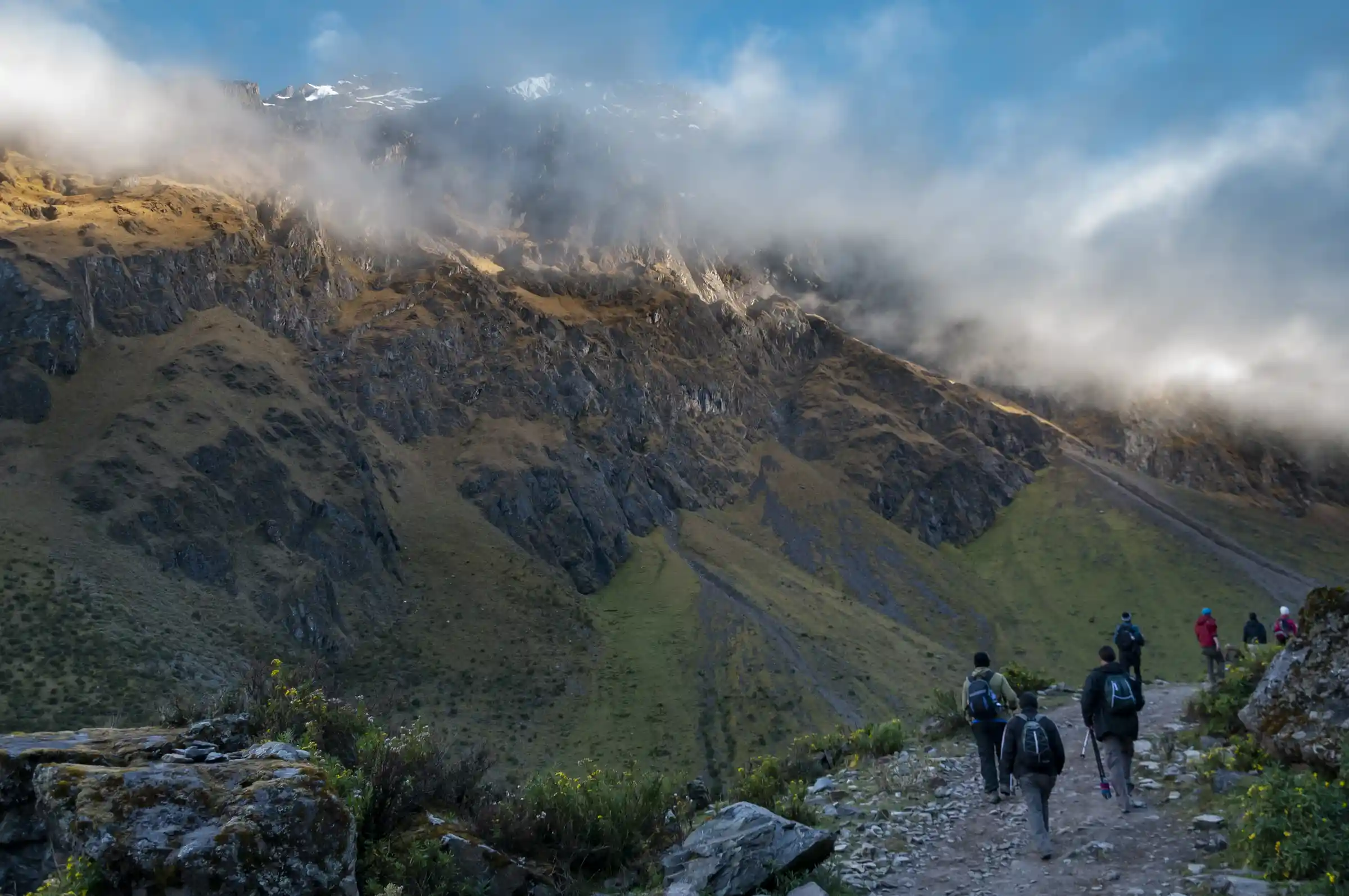
This morning’s trek covers approximately 4 kilometers but with steep, nearly continuous uphill terrain requiring sustained physical effort and determined pacing. The trail features stone-paved sections of the original Inca pathway, demonstrating preservation across centuries. Vegetation remains relatively sparse at this elevation, providing panoramic views of valleys and mountains as you climb. The hiking gradient is challenging, requiring measured pace and focused breathing. Your guide encourages regular breaks at designated rest points, emphasizing the importance of pacing rather than competing with faster trekkers. Approximately 3 hours after departure, you arrive at Warmicwanusca Pass, positioned at 4,215 meters (13,780 feet) above sea level.

At this highest point of the trek, you experience an elevation where oxygen availability is substantially reduced compared to sea level, requiring measured movement and breathing. Standing at Warmicwanusca Pass, you are surrounded by panoramic views of the Peruvian Andean mountain range, with numerous snow-capped peaks visible on clear days. The vertical perspective from this elevation provides appreciation of the surrounding geography and the vast mountain ecosystem extending in multiple directions. You rest at this location for approximately 1 hour, allowing adequate recovery, oxygen readjustment, and emotional processing of this significant achievement. Many trekkers experience profound moments at this elevation, recognizing they have conquered the trek’s most physically demanding segment.

Following your rest at Warmicwanusca Pass, you begin a 1.5-hour descent of approximately 3 kilometers to a rest location, passing through sections featuring multiple Inca construction sites. Runkurakay, a small circular Inca structure believed to function as a watchtower, is encountered along this descent. Your guide provides explanations of this site’s function within the Inca defensive and communication systems. Continuing the descent, you reach Sayacmarca, a fortress-like Inca complex perched on steep mountainside terrain, demonstrating remarkable construction techniques on challenging topography. You spend time exploring these structures, appreciating the engineering sophistication and Inca strategic positioning within the Sacred Valley landscape.

By approximately 12:00 p.m., you arrive at a lunch location where meals are served. This meal features locally sourced, organic ingredients and adequate quantity to sustain energy throughout the afternoon’s continued descent. You rest at this location, allowing significant muscle recovery after the morning’s strenuous climbing.

Following lunch, you undertake an additional 2-hour descent covering approximately 3 kilometers to reach Pacaymayo campsite, positioned at 3,700 meters elevation. This downhill section provides relief for your leg muscles while offering continued scenic views. The landscape begins transitioning into cloud forest characteristics as you descend. You arrive at Pacaymayo campsite by approximately 4:00 p.m. This campsite is strategically positioned in a valley, providing protection and adjacent access to water sources and sanitation facilities.

Upon arrival at Pacaymayo, your porter team establishes your tent and campsite facilities. You have time to rest, refresh yourself, and recover from the day’s physical exertion. Dinner is served around 6:00 to 7:00 p.m., featuring locally sourced, organic ingredients prepared by your professional kitchen staff. The evening atmosphere reflects significant accomplishment, as trekkers recognize they have conquered the trek’s most physically demanding segment. Many experience improved rest quality this evening, knowing that subsequent days, while requiring sustained effort, do not present the extreme challenges of Day 2.

Day 3 presents a welcome moderate difficulty compared to Day 2’s challenges. The day begins with 5:30 a.m. wake-up and breakfast service by 5:45 a.m., providing energy for the day’s activities. By 6:30 a.m., you depart Pacaymayo campsite, beginning a 2-hour ascent to the second-highest point of the trek, positioned at 3,850 meters elevation. This morning climb covers approximately 4 kilometers with steep but manageable sections. The effort proves substantially less demanding than Day 2’s ascent, yet requires sustained physical activity and attention to pacing.

Upon reaching the second-highest elevation around 8:30 a.m., you enter increasingly lush vegetation characteristic of the cloud forest zone. Mist frequently obscures distant views at this elevation, creating intimate hiking conditions and emphasizing the forest’s biological diversity. Around this elevation, you encounter Phuyupatamarca, known as the “Town in the Clouds,” an impressive Inca site featuring panoramic views and intricate water management systems revealing Inca hydraulic engineering and ceremonial water functions. You spend approximately 1 hour exploring these structures, appreciating the site’s positioning within the cloud forest landscape and the engineering sophistication demonstrated through the water channel systems.

Following Phuyupatamarca exploration, you undertake a 2.5-hour descent of approximately 4 kilometers through increasingly lush cloud forest vegetation. This section proves particularly scenic, featuring waterfalls, mountain streams, and vegetation zones with diverse plant species adapted to cloud forest conditions. The descent includes several smaller Inca archaeological sites along the stone-paved trail sections, with your guide providing explanations of their historical significance. The cloud forest environment creates an intimate trekking experience, with mist and lush vegetation creating a mystical atmosphere that many trekkers find emotionally significant.

By approximately 12:00 p.m., you reach a lunch location where meals are served. This rest break allows recovery and energy replenishment for the afternoon’s continued descent.

Following lunch, your afternoon trek encompasses approximately 3 hours and 3 kilometers of continued descent to reach Wiñaywayna, your final campsite. This section continues through cloud forest vegetation with gradually increasing botanical diversity as elevation decreases. Upon arrival at Wiñaywayna around 4:00 p.m., you reach one of the trail’s most spectacular archaeological sites. Wiñaywayna, translating to “Forever Young,” features agricultural terraces built on steep mountainside terrain and numerous residential structures demonstrating sophisticated construction techniques across multiple elevation levels. You have an hour to explore these impressive structures before your campsite setup.

Wiñaywayna campsite, positioned at 2,600 meters elevation, serves as your final night’s accommodation on the trail. The atmosphere this evening carries significant emotional weight, as trekkers recognize that tomorrow brings your arrival at Machu Picchu, the culmination of your 4-day journey. Your porter team establishes camp and your professional cooks prepare dinner around 6:00 to 7:00 p.m. Following dinner, your guide provides a comprehensive briefing on Day 4’s schedule, emphasizing the early wake-up time required for pre-dawn departure to Inti Punku for sunrise viewing of Machu Picchu.

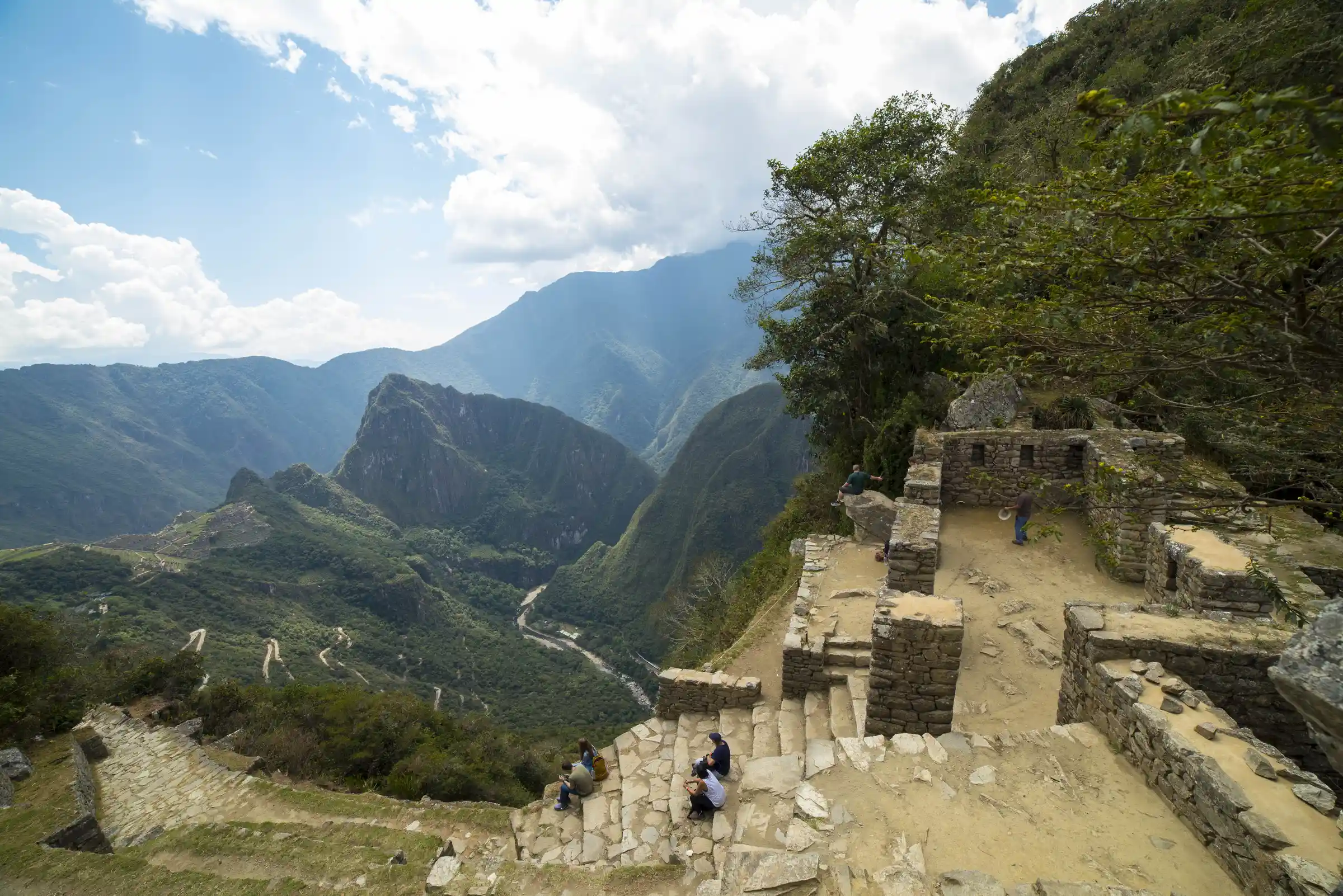
The final day of your trek is widely recognized as the most emotionally significant, culminating in your arrival at Machu Picchu. An exceptionally early wake-up occurs at 3:30 a.m., allowing time for rapid personal preparation and a quick breakfast by 4:00 a.m. This accelerated timing is essential to reach Inti Punku (Sun Gate) before sunrise, ensuring optimal conditions for your first unobstructed view of Machu Picchu from above.

By 4:30 a.m., you depart Wiñaywayna campsite, beginning the final 1.5-hour hike covering approximately 2 kilometers to Inti Punku. This pre-dawn trekking occurs in darkness, with headlamps illuminating the stone-paved pathway. The physical exertion is minimal compared to previous days, though the emotional anticipation proves intense. Upon arriving at Inti Punku around 6:00 a.m., you position yourself for sunrise viewing.

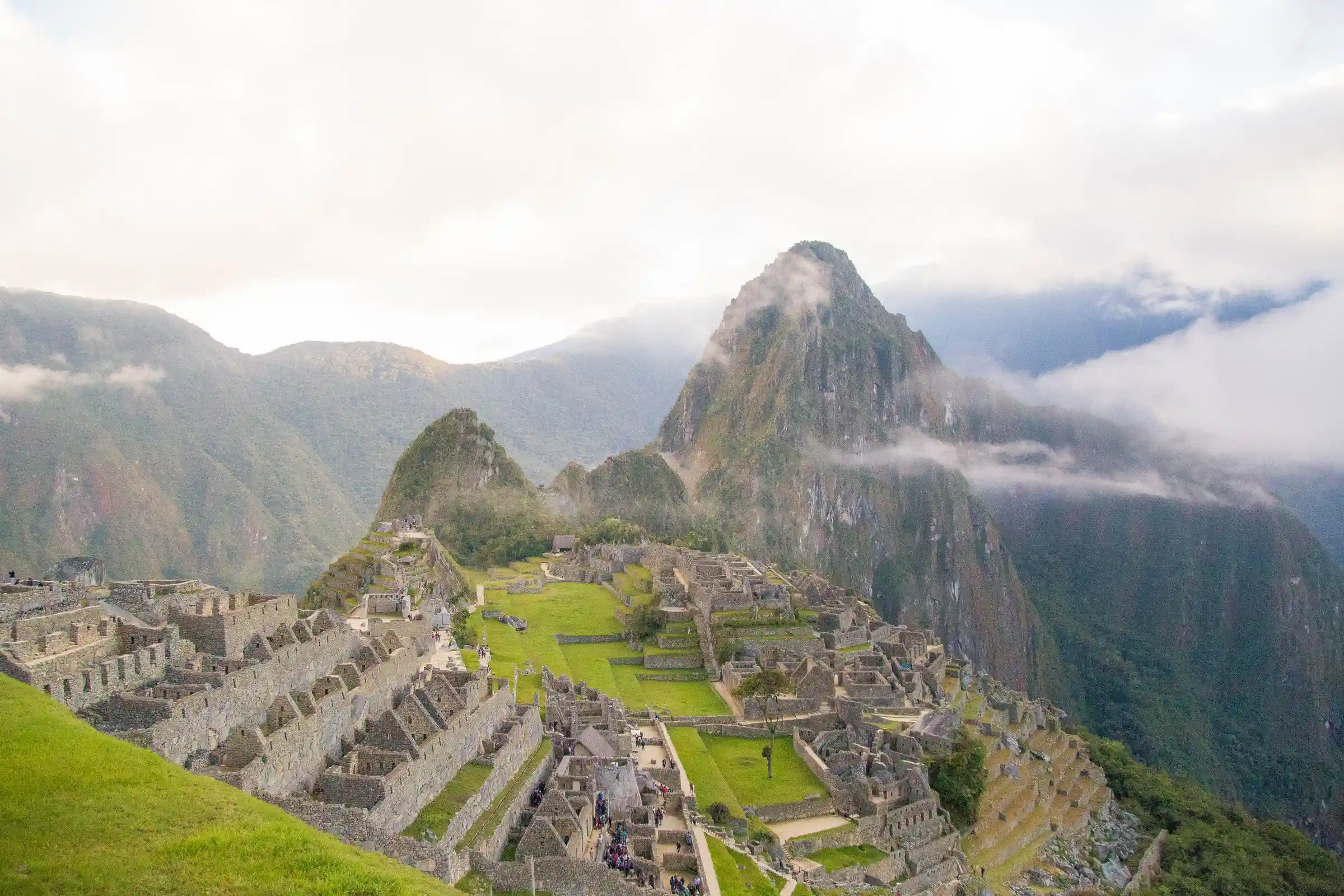
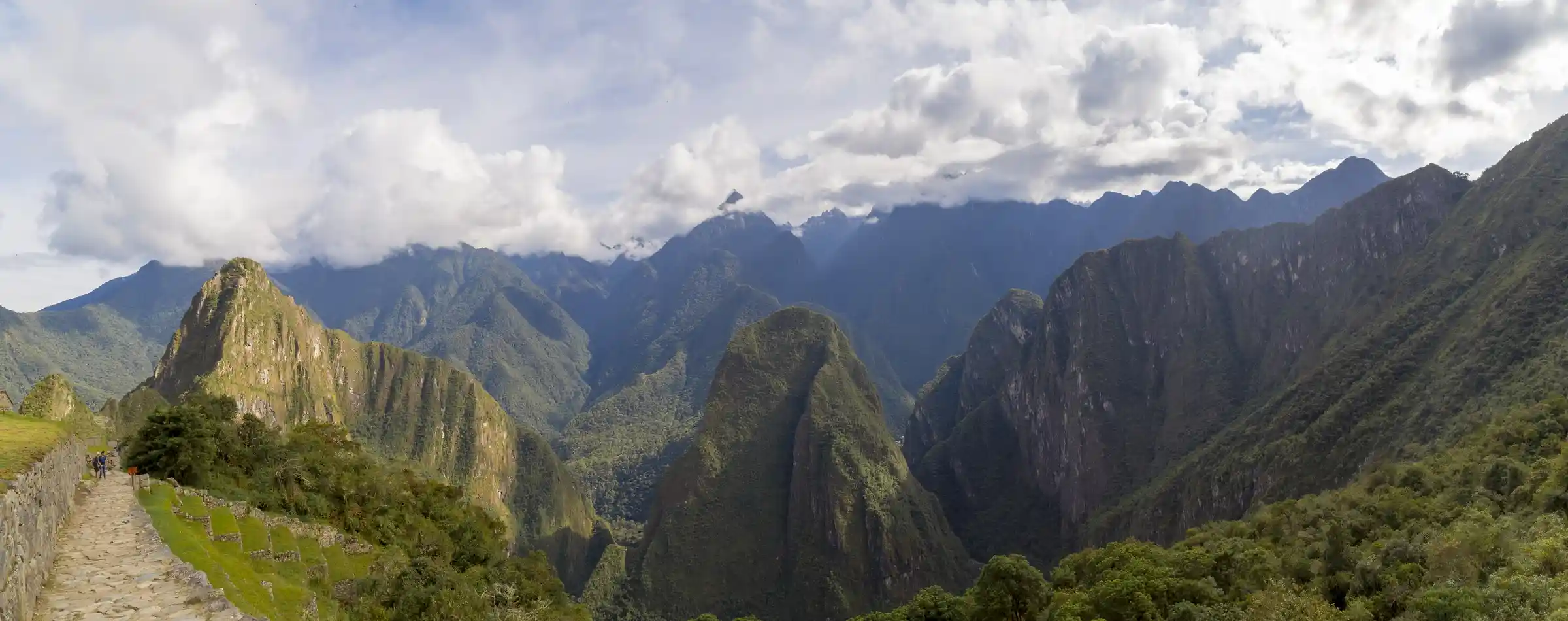
As first light begins illuminating the eastern sky, the moment arrives when Machu Picchu becomes visible in the valley below. If weather permits and clouds do not obstruct the view, sunrise illuminates the Inca City with warm light, creating the iconic visual composition that appears in countless photographs and represents a pivotal moment in many trekkers’ experiences. You spend approximately 1 hour at Inti Punku, capturing photographs, processing the emotional significance of completing your 4-day trek, and appreciating the architectural and natural beauty surrounding this legendary site.

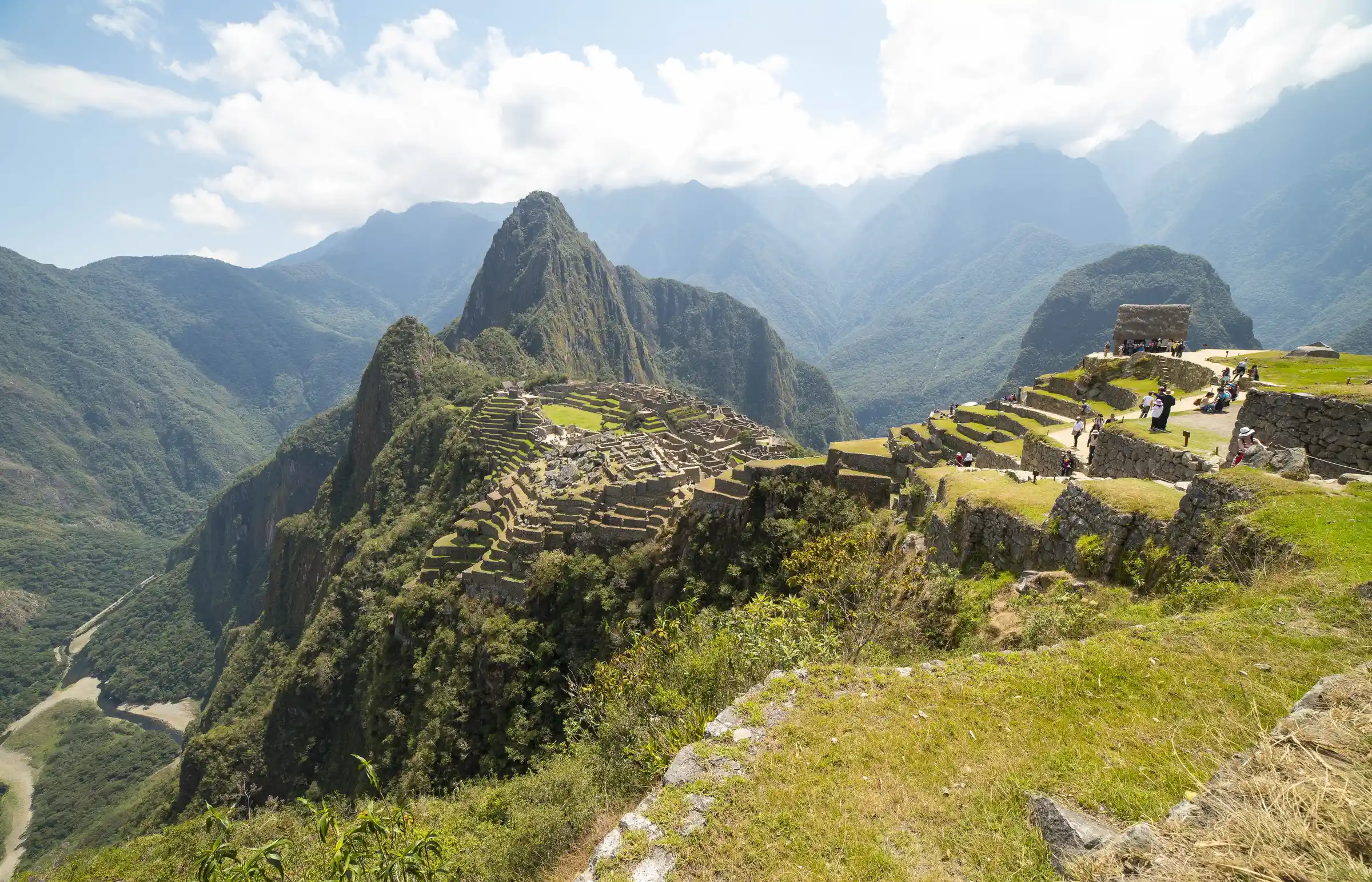
Between 7:00 and 8:00 a.m., you descend approximately 2 kilometers from Inti Punku to Machu Picchu‘s entrance gates. This final descent requires approximately 1 hour, with the path descending through increasingly developed Inca structures as you approach the citadel. Upon arrival at Machu Picchu‘s entrance around 8:00 a.m., you complete entry procedures and begin your guided comprehensive tour.

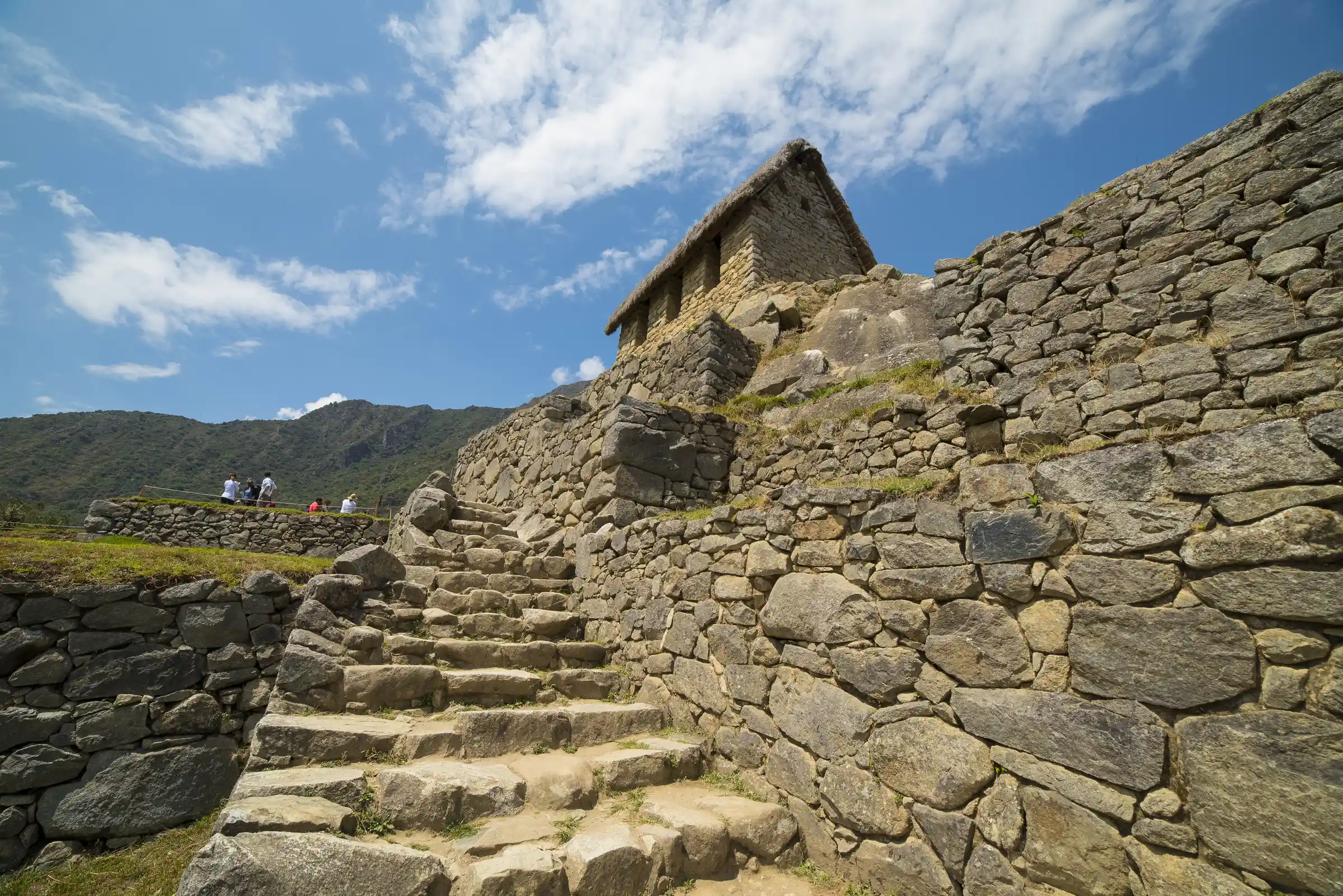
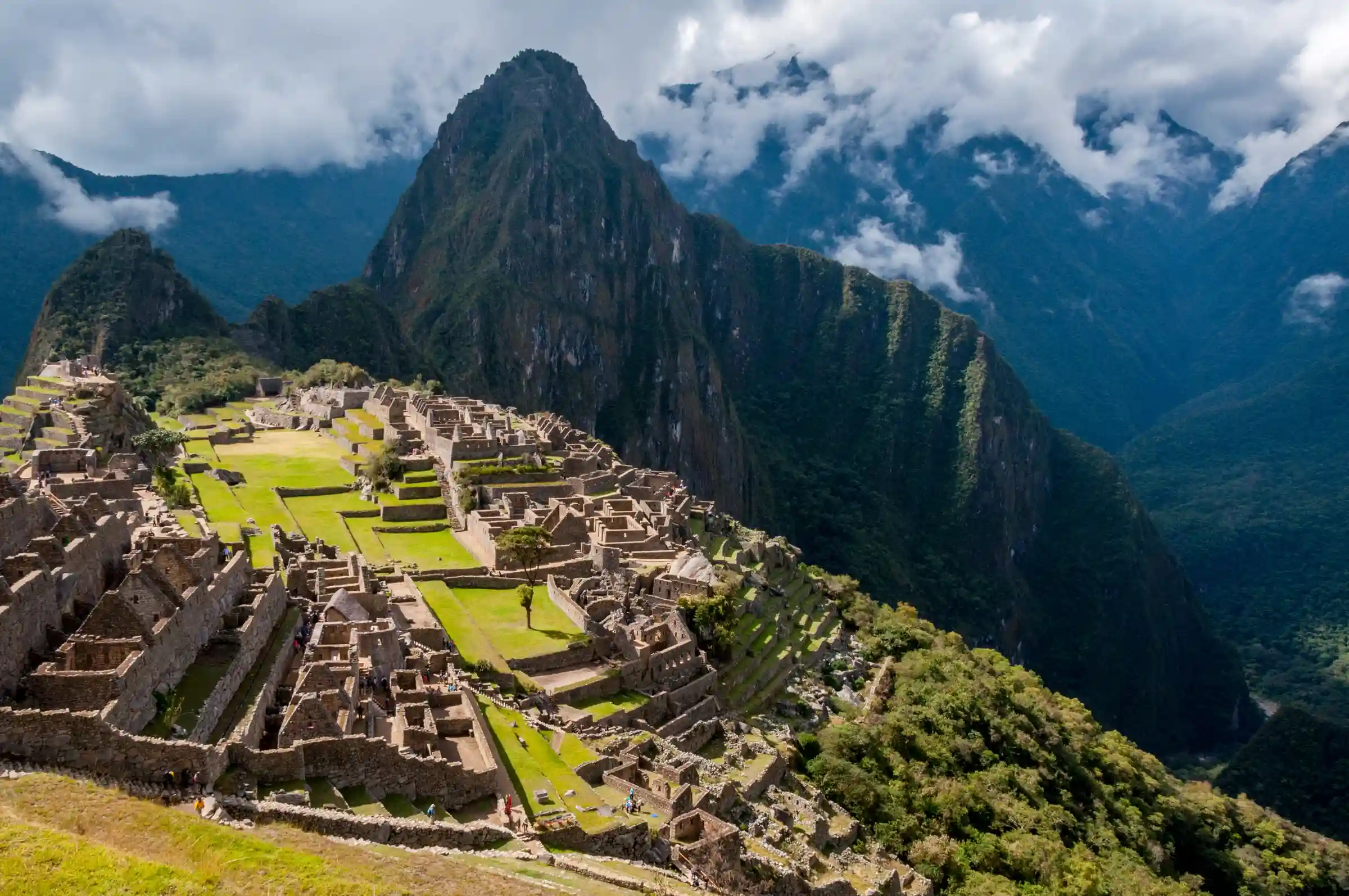
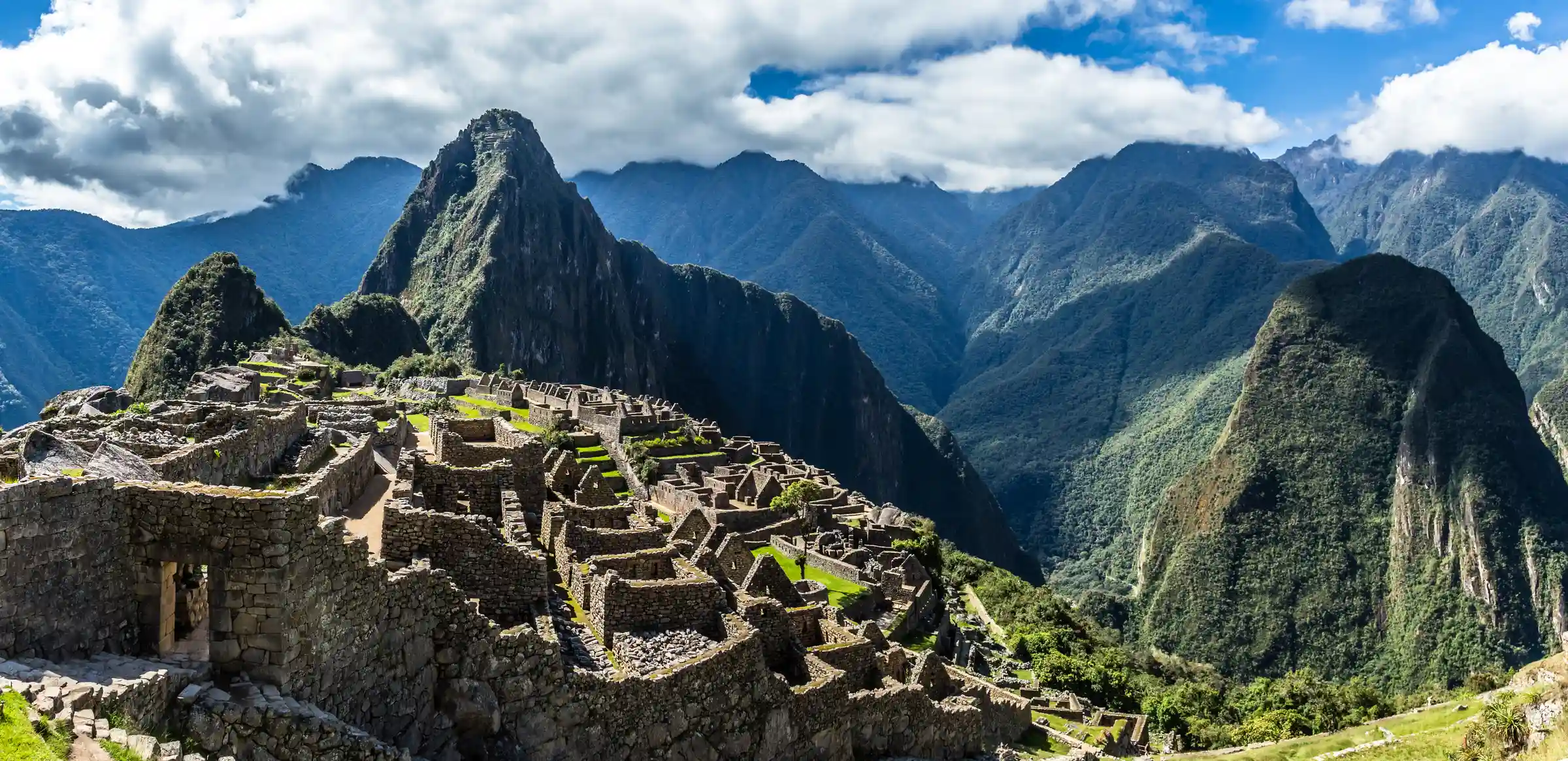
Your guide conducts an extensive tour of Machu Picchu from 8:00 a.m. until approximately 10:30 a.m., covering approximately 2.5 hours. This comprehensive tour addresses the Temple of the Sun, examining its astronomical alignments and ceremonial functions; the Intihuatana Stone, the most important astronomical observation point; the Temple of the Three Windows, with its distinctive three-window architectural design; the Sacred Plaza and surrounding ritual spaces; residential terraces demonstrating Inca construction techniques; and agricultural areas revealing Inca subsistence systems. Your guide explains how Incas constructed these buildings without mortar, the sophisticated engineering allowing structures to endure for over 500 years, and theories regarding each site’s original functions. This comprehensive tour provides cultural context transforming your archaeological site visit from visual appreciation into historical understanding.

Following the guided tour, from 10:30 to 11:30 a.m., you have approximately 1 hour of free personal exploration time within Machu Picchu. This time allows you to revisit favorite areas, capture additional photographs, contemplate specific structures, or explore zones your guide indicated but time did not permit full exploration.

By 11:30 a.m., you begin your descent from Machu Picchu toward the bus station, completing your approximately 30-minute descent by 12:00 p.m. Private transportation buses await you at the bus station, providing the downhill journey to Aguas Calientes. You arrive in Aguas Calientes around 12:30 to 1:00 p.m., concluding your trekking activities. At this point, you have the remainder of your day free—approximately 3 to 4 hours—before your return train departure around 4:30 to 5:00 p.m.

This substantial free time in Aguas Calientes allows flexible options: lunch at one of numerous local restaurants (with dining options ranging from economical to premium cuisine), exploration of the town’s markets and shops featuring local artisan goods, a visit to hot springs located near town, rest at a local café, or simply relaxation while processing your extraordinary 4-day experience.

Around 4:00 to 4:30 p.m., you gather and walk to Aguas Calientes train station. Your train departs around 4:30 to 5:00 p.m. (exact time depends on availability and your selected service level). The return train journey retraces your outbound route along the Urubamba River, with your selection between Expedition service (economical, standard seating) or Voyager service (premium accommodations, enhanced dining) honored. The train returns you to Ollantaytambo by approximately 6:30 to 7:30 p.m. (exact timing varies based on service level).

Upon arrival in Ollantaytambo, MACHU PICCHU TEAM’s private transportation awaits you with a driver displaying your name on a sign. The final 2-hour transfer returns you to your Cusco hotel, with journey timing varying slightly based on traffic conditions. You arrive at your hotel between 8:30 and 9:30 p.m., concluding your extraordinary 4-day Inca Trail and Machu Picchu experience. Throughout this final day, MACHU PICCHU TEAM’s representative remains available to coordinate logistics and ensure your safe return to Cusco.

Inclusions

Included

MACHU PICCHU TEAM’s 4-day Inca Trail package provides comprehensive inclusions covering all major components of your trekking and archaeological site exploration experience:

Pre-Trek Briefing Session: A mandatory informational meeting occurs at MACHU PICCHU TEAM’s downtown Cusco office at 6:00 p.m. on the evening preceding your trek commencement. During this session, your assigned guide presents comprehensive information regarding the planned route, expected daily conditions, safety protocols, and altitude acclimatization strategies. You receive your printed entrance permits and train tickets, along with your duffle bag (with 7-kilogram capacity) for porter transport. Your guide answers any questions regarding physical preparation, packing, altitude management, or specific concerns, ensuring all trekkers understand the trek’s demands before beginning the physical journey.

Hotel Pickup in Cusco: Private vehicle pickup from your Cusco hotel at 5:30 to 6:00 a.m. on your trek date, with MACHU PICCHU TEAM’s experienced driver managing transportation to Km 82 trailhead. This door-to-door service eliminates transportation coordination complexity.

Private Transportation to Trailhead: Complete transfer service from your Cusco hotel to Km 82 (Piscacucho), the official starting point of the Inca Trail, covering approximately 70 kilometers with a professional driver operating MACHU PICCHU TEAM’s private vehicle.

Inca Trail Entrance Permit: Government permits required for hiking the official Inca Trail are obtained and included by MACHU PICCHU TEAM prior to your trek date. These permits regulate the number of daily trekkers to preserve the archaeological resource. Permit acquisition requires valid passport information and advance booking with Peruvian authorities. The government issues only 500 permits daily, with approximately 200 reserved for trekkers and 300 for guides, porters, and cooks.

Machu Picchu Entry Ticket (Circuit 2): Your package includes Machu Picchu entry ticket providing Circuit 2 access, allowing comprehensive citadel exploration and access to all principal structures and archaeological zones.

Professional Guide Services: All trekking is guided by licensed, experienced guides employed by MACHU PICCHU TEAM. Guides possess extensive knowledge of Inca history, culture, archaeological sites, mountain ecology, and safety protocols. Guides are fluent in English, Spanish, and Quechua, enabling communication with international trekkers and local communities. Your guide provides detailed explanations of sites visited and ensures group cohesion and safety throughout the journey.

Porter Service and Equipment Transport: A dedicated team of professional porters carries your duffle bag (containing up to 7 kilograms of personal belongings per trekker), camping gear, food supplies, and cooking equipment throughout the trek. This porter service eliminates the physical burden of carrying heavy loads, allowing you to hike comfortably with only a lightweight day pack containing water, snacks, and personal items. Porters establish camp each evening and manage logistics throughout the trail.

Professional Cooking Staff: Dedicated cooks prepare all meals during your trek, utilizing locally sourced, organic ingredients supplemented by transported provisions. Meals are nutritionally balanced to sustain energy levels during demanding hiking days. Vegetarian and vegan options are available without additional charges. International cuisine preferences can be accommodated through consultation with MACHU PICCHU TEAM’s reservation team, though such modifications may incur supplementary costs.

Comprehensive Meal Service: 4 breakfasts, 4 lunches, and 3 dinners are included, providing complete meal coverage from the first morning through the final afternoon of your trek. Meals feature locally sourced, organic ingredients including fresh vegetables, grains, legumes, and proteins. Breakfast typically includes eggs, bread, cheese, fruit, and hot beverages. Lunches feature proteins, vegetables, grains, and breads suitable for mid-trek consumption. Dinners provide warm, nourishing meals prepared fresh daily. All meals adhere to food safety standards and are adapted to your specific dietary requirements upon request. Daily snacks including fruits, energy bars, chocolate, and candies are provided throughout your hiking days.

Daily Snacks: Energy-boosting snacks are provided throughout your trekking days, including fruits, energy bars, chocolate, candies, and other items sustaining energy between meals.

Camping Equipment: High-quality Eureka Timberline 4-person tents are provided (shared by only 2 trekkers per tent), with individual inflatable Thermarest sleeping mats providing insulation and comfort. This camping equipment remains available at campsites, requiring no daily packing or unpacking.

Machu Picchu Guided Tour: Upon arrival at Machu Picchu, an expert guide conducts a comprehensive, educational tour lasting approximately 2 to 2.5 hours. This tour covers the Inca City’s principal structures, architectural techniques, urban planning principles, religious functions, and historical development. The guide explains how Incas constructed these buildings without mortar, the purposes of different architectural zones, and the site’s significance within the broader Inca empire.

Bus Ticket Day 4: Transportation from Machu Picchu to Aguas Calientes on your final day, a downhill journey allowing physical recovery after your trekking activities.

Train Ticket Services: Return train transportation from Aguas Calientes to Ollantaytambo is included, with your choice of 2 service levels. Expedition service provides economical, comfortable seating in standard cabins with large windows allowing scenic views of the Sacred Valley. Voyager service provides premium accommodations with enhanced dining and personalized service. Both options include seating in climate-controlled cabins and full-service amenities. Train departure times are approximately 4:30 to 5:00 p.m., arriving in Ollantaytambo by 6:30 to 7:30 p.m.

Return Transportation to Cusco: Private vehicle transfer from Ollantaytambo train station to your Cusco hotel, completing your door-to-door service experience. Journey duration is approximately 2 hours.

Safety Equipment and Supplies: First-aid kits and oxygen bottles accompany the trekking team, available for emergency situations or altitude-related concerns. These supplies ensure immediate response capability for any medical situations that may arise.

Private Portable Toilet Facilities: Hygienic, private toilet facilities are set up at each campsite, ensuring sanitary conditions and participant privacy throughout the trek.

Duffle Bag for Personal Items: A durable, weather-resistant duffle bag with 7-kilogram capacity is provided for personal belongings during the trek. This bag is transported by porters, allowing you to hike with only a lighter day pack.

Free Luggage Storage: Items remaining in Cusco that you do not need during the trek receive free storage at MACHU PICCHU TEAM’s Cusco office. This storage service allows weight reduction and item retrieval upon your return.

Representative Oversight: Throughout your entire 4-day experience, a MACHU PICCHU TEAM representative monitors your trek schedule, coordinates logistics, and remains available to address concerns or questions that may arise.

Not Included

Certain items and services fall outside your tour package investment and represent optional additional costs or personal responsibilities:

Sleeping Bag Rental: High-quality sleeping bags rated for -10 degrees Celsius are available for rental at $15 USD for the entire trek if you do not own appropriate cold-weather sleeping bags. These bags include thermal liners providing enhanced warmth during cold mountain nights.

Trekking Poles Rental: Specialized hiking poles reducing knee stress during lengthy downhill sections and providing stability on steep sections are available for rental at $15 USD per pair for the entire trek. While many trekkers hike without poles, they provide significant benefit, particularly for those with previous knee issues.

Huayna Picchu (Waynapicchu) Mountain Trek: This optional cable-drawn mountain climb providing elevated perspectives of Machu Picchu requires separate ticket purchase and must be booked in advance. Huayna Picchu permits are limited to 400 daily climbers divided into 4 time slots. This activity requires supplementary physical capacity and takes approximately 2 to 2.5 hours round trip, incurring additional cost of approximately $60 USD.

Machu Picchu Mountain Trek: An alternative mountain hike offering panoramic Machu Picchu views from a different perspective requires separate ticket purchase and advance booking. This activity offers 400 daily spots divided into 2 time slots, with round-trip hiking duration of approximately 3 to 3.5 hours. Supplementary cost is approximately $60 USD.

Premium Train Service Upgrades: Upgrades from Expedition to Voyager train service require supplementary payment. Vistadome train service featuring expanded window configurations and panoramic viewing experiences is available as an optional upgrade for $45 USD.

Guide and Porter Tips: While not mandatory, many trekkers offer tips to guides, porters, and cooking staff in appreciation for their service. Standard tipping practices in Peru typically involve offering 50 to 100 soles per person to guides and 30 to 50 soles per person to porters, though tip amounts remain entirely at your discretion.

Personal Expenses: Any personal purchases such as souvenirs, additional snacks, beverages at restaurants, or other individual discretionary expenses remain your responsibility.

Pricing

Pricing for the 4-day Inca Trail varies based on participant category, allowing diverse budget accommodation while maintaining quality service standards.

Pricing for Shared Group Departures

Participant CategoryPrice Per Person (USD)
Student (valid ID)$710
Child (ages 8-17)$710
Adult$740

Student and child pricing require valid documentation. Students must present original university-issued student identification cards meeting Peruvian government specifications. Children require proof of age.

Optional Add-on Costs

  • Huayna Picchu (Waynapicchu) Mountain Entry: $60 USD (limited availability; 400 daily spots; must be reserved in advance)
  • Machu Picchu Mountain Entry: $60 USD (limited availability; 400 daily spots; must be reserved in advance)
  • Vistadome Train Upgrade (return journey): $45 USD (premium panoramic service)
  • Trekking Pole Rental: $15 USD per pair (recommended for knee protection)
  • Sleeping Bag Rental: $15 USD (rated for -10 degrees Celsius; includes thermal liner)

Deposit and Payment Requirements

A non-refundable, non-transferable deposit of $240 USD per person is required to secure your booking and obtain government permits and Machu Picchu entrance tickets. The Peruvian government requires deposits to be collected in advance for permit issuance.

Payment Options:

  • Online Deposits and Payments: Debit cards and credit cards accepted with 2.9% processing fee charged to customer
  • In-Office Cash Payments: Peruvian soles or US dollars accepted at MACHU PICCHU TEAM’s Cusco office without processing fees
  • In-Office Card Payments: Credit cards accepted with 3.9% processing fee

Remaining Balance Payment:

If you paid only the deposit, the remaining balance is due 24 hours before your trek departure date.

  • Online Payment: 2.9% processing fee
  • In-Office Cash Payment: No processing fees
  • In-Office Card Payment: 3.9% processing fee

Travel Guide

Climate Conditions and Seasonal Variations

The 4-day Inca Trail traverses multiple elevation zones, each with distinct climate characteristics. Understanding seasonal variations helps you prepare appropriate clothing and anticipate weather patterns.

Temperature Patterns by Elevation

At lower elevations (2,000 to 2,500 meters), daytime temperatures range from 15 to 20 degrees Celsius, while nights cool to 8 to 12 degrees Celsius. At Warmicwanusca Pass (4,215 meters), daytime temperatures reach approximately 0 degrees Celsius with nighttime temperatures potentially dropping to minus 10 to minus 15 degrees Celsius. At intermediate elevations, temperatures vary correspondingly.

Seasonal Weather Variations

Dry Season (May through October): Clear skies predominate, with minimal rainfall and excellent visibility for mountain views and photography. Days remain sunny and relatively warm, though nights remain very cold at high elevations. Early morning temperatures are particularly cold. Humidity remains low. This season offers optimal trekking conditions and sees the highest volume of trekkers. Peak season (June through September) experiences the highest demand, with permits selling out quickly.

Wet Season (November through March): Afternoon rain occurs frequently, particularly in December, January, and February. Cloud cover obscures mountain views, though landscapes display vibrant green vegetation. Early mornings may feature clear skies before afternoon rainfall begins. Humidity increases significantly. The Inca Trail closes in February for maintenance, eliminating departures during this period.

Shoulder Seasons (April, May, October, November): Transitional periods between wet and dry seasons provide variable conditions. April and May transition from wet to dry, with increasingly clear skies. October and November transition from dry to wet, with occasional afternoon rainfall. These periods offer reduced trekker density compared to peak season.

Physical Demands and Health Requirements

Fitness Level Requirements

This trek is classified as moderate to challenging and requires good physical fitness. Successful completion requires ability to walk 42 kilometers across 4 consecutive days, with daily hiking ranging from 6 to 8 hours, ascending terrain reaching 4,215 meters elevation. Day 2 presents the most physically demanding challenges, with steep terrain and high elevation gain. While no specific athletic background is required, regular cardiovascular exercise such as running, cycling, swimming, or hiking for several months before the trek significantly improves your ability to manage the physical demands.

Altitude Acclimatization Strategies

Altitude illness can affect any person regardless of fitness, age, or previous altitude experience. Symptoms include headaches, nausea, shortness of breath, and sleep disruption. MACHU PICCHU TEAM’s itinerary incorporates gradual elevation gain allowing progressive acclimatization. Day 1 reaches 3,000 meters, Day 2 reaches 4,215 meters (the highest point), and Days 3 and 4 descend to lower elevations, allowing recovery rather than cumulative altitude stress.

Practical strategies to facilitate acclimatization include:

  • Arrive in Cusco at least 2 to 3 days before your trek to pre-acclimatize to 3,400-meter elevation
  • Drink substantial quantities of water throughout the trek, targeting 3 to 4 liters daily
  • Limit physical exertion on the first 1 to 2 days of trekking
  • Consume carbohydrate-rich meals supporting oxygen-carrying capacity
  • Avoid alcohol and excessive caffeine, which increase dehydration
  • Consider discussing altitude medication (acetazolamide) with your physician prior to departure
  • Use coca tea available at campsites, which many trekkers find helpful for altitude adaptation

Health Precautions and Vaccinations

Consult your physician regarding vaccinations for Hepatitis A, Typhoid, and Yellow Fever if you have not previously received these. Travel insurance covering altitude-related illness and emergency evacuation is strongly recommended and provides significant financial protection.

Special Health Considerations

Participants with existing medical conditions such as heart disease, uncontrolled diabetes, or high blood pressure should consult their physicians regarding trek participation. Pregnancy is not recommended for women in later stages due to fall risks and remote emergency evacuation requirements. Previous knee injuries may be exacerbated by the trek’s significant downhill sections, particularly days 3 and 4.

Local Community and Cultural Engagement

Respectful Travel Practices

The communities adjacent to the trek maintain Andean traditions and cultural practices. Respectful behavior toward local communities is essential. Avoid photographing local residents without permission, as many hold spiritual beliefs regarding photography. Support local economies by purchasing goods and meals from community-owned businesses rather than large commercial enterprises.

Language Considerations

While your guide speaks English, many local community members speak primarily Quechua or Spanish. Learning basic Spanish phrases enhances interactions and demonstrates respect toward local culture. Common useful phrases include “Buenos días” (good morning), “Gracias” (thank you), “¿Cuánto cuesta?” (how much?), and “Disculpe” (excuse me).

Local Cuisine and Dining Options

Traditional Peruvian Dishes Along the Trek

Meals during your trek feature traditional Peruvian ingredients and preparation methods. Common dishes include:

  • Quinoa and Potato-Based Soups: Ancient Andean crops providing complete nutritional profiles with all essential amino acids
  • Hearty Bean Stews: Legumes combined with locally grown vegetables providing sustained energy for trekking
  • Trout from Mountain Streams: Fresh fish providing lean protein sourced from pristine mountain waterways
  • Root Vegetables: Local varieties of potatoes and other tubers providing carbohydrates for energy
  • Corn-Based Preparations: Corn in multiple preparations, including polenta and corn breads

All meals feature locally sourced, organic ingredients prepared by professional cooks.

Dining in Cusco and Aguas Calientes

During your pre-trek briefing in Cusco and your evening in Aguas Calientes, numerous restaurants offer traditional Peruvian cuisine alongside international options. Budget-conscious dining options exist throughout both towns, with local restaurants (referred to as “menú” establishments) offering three-course meals at economical prices. Markets such as Central Market (Mercado Central) feature fresh produce and prepared foods at lower cost than formal restaurants. Dining at local establishments supports community economies while providing authentic culinary experiences.

Vegetarian and Vegan Dining

Peru’s vegetarian and vegan dining options have expanded significantly in recent years, particularly in urban areas. Lima and Cusco feature numerous vegetarian-focused restaurants. MACHU PICCHU TEAM’s kitchen staff accommodates vegetarian and vegan preferences throughout your trek without additional charges, preparing satisfying meals using locally sourced plant-based ingredients.

Free or Low-Cost Attractions in Cusco and Sacred Valley

Cusco Attractions Without Entrance Fees

  • Plaza de Armas: The central square features colonial architecture and provides opportunities for people-watching and relaxation
  • San Blas Neighborhood: Narrow cobblestone streets, local artisan shops, and traditional restaurants characterize this historic neighborhood
  • Local Markets: San Pedro Market and other community markets showcase local produce, crafts, and authentic cultural experiences
  • Walking Tours: Self-guided exploration of neighborhoods such as San Blas and historic colonial streets costs nothing

Sacred Valley Free or Low-Cost Options

  • Pisac Market: The local farmers market operates daily, offering colorful agricultural produce and artisan goods
  • Ollantaytambo Streets: Wandering the town’s cobblestone streets and plaza provides cultural immersion without fees
  • Mountain Walking: Various hiking routes near Ollantaytambo and other Sacred Valley communities are free to access

Appropriate Clothing for Year-Round Trekking

Dry Season Clothing Strategy (May through October)

Pack layers allowing adjustment throughout the day as temperatures fluctuate significantly:

  • Morning trekking begins in very cold conditions (minus 5 to 5 degrees Celsius at higher elevations), requiring insulating layers, hat, and gloves
  • As physical exertion generates body heat, shed outer layers to prevent overheating and excessive perspiration
  • Afternoon sun provides warming, though wind at high elevations continues providing cold exposure
  • Evening temperatures drop significantly below freezing, requiring full insulation and heavy layers again

Optimal dry season packing includes fleece jacket, long-sleeved shirts, warm hat, and insulated gloves carried in your day pack for temperature adjustments.

Wet Season Clothing Strategy (November through March)

Pack additional weather protection:

  • Waterproof rain jacket and pants are essential for afternoon rainfall protection
  • Moisture-wicking materials become critical as humidity increases and potential for perspiration increases
  • Water-resistant hiking boots with good drainage prevent water pooling inside footwear
  • Extra socks facilitate changing damp socks for dry replacements
  • Pack waterproof bag liners protecting sleeping bags and bedding from water exposure
  • Hat with brim directing rain away from face improves visibility during precipitation

Wet season requires more weather-protection items but benefits from warmer overall temperatures compared to dry season.

Physical Effort Intensity Gradation

Day-by-Day Physical Demands

The trek’s difficulty varies significantly across individual days:

  • Day 1 (Cusco to Wayllabamba): Moderate difficulty, gentle elevation gain, excellent for initial acclimatization
  • Day 2 (Wayllabamba to Pacaymayo): Most challenging overall, highest elevation reached, sustained steep climbing
  • Day 3 (Pacaymayo to Wiñaywayna): Moderate difficulty compared to Day 2, predominantly downhill with sustained hiking
  • Day 4 (Wiñaywayna to Machu Picchu and return to Cusco): Relatively easy final hiking day with strong emotional component and comprehensive archaeological site exploration

Managing Physical Intensity Effectively

  • Pace yourself conservatively on early days, allowing your body to acclimate to altitude and physical demands
  • Walk at your natural pace rather than competing with faster trekkers; slower, consistent pace proves more sustainable
  • Take short rest breaks every 60 to 90 minutes of trekking
  • Stay hydrated by drinking small quantities of water frequently rather than large quantities infrequently
  • Consume carbohydrate-rich snacks during hiking to maintain energy levels
  • Use trekking poles on downhill sections to reduce knee stress significantly

FAQs

What to Bring

Successful completion of your 4-day Inca Trail trek requires appropriate preparation and packing of essential items suited to the trek’s environmental conditions and extended duration. The following comprehensive list addresses all major categories of required items:

Footwear and Foot Care

  • Hiking Boots: Choose sturdy, well-fitted boots with ankle support and durable soles with substantial traction. New boots should be worn for several days before the trek to prevent blisters and identify pressure points requiring adjustment. Select boots with adequate insulation for potentially cold stream crossings and early morning hiking when temperatures remain cool.
  • Camp Shoes or Flip-Flops: Lightweight footwear for relaxing at the campsite and allowing your feet to rest after hiking, facilitating recovery and comfort during evening hours.
  • Moisture-Wicking Hiking Socks: Specialized synthetic or merino wool socks designed to pull perspiration away from skin, preventing blisters and maintaining foot comfort throughout sustained hiking. Pack 4 to 5 pairs of quality hiking socks, allowing rotation between hiking days and washing opportunities.

Backpack and Rain Protection

  • Day Pack (20 to 30 Liters): A comfortable backpack appropriately sized for day hiking, carrying your water, snacks, sunscreen, camera, and personal items. Your pack should distribute weight across your hips through a padded hip belt, preventing shoulder strain during sustained hiking. Select a pack designed for trekking rather than casual travel, with features including padded shoulder straps, ventilated back panels, and adjustable torso length.
  • Rain Cover or Waterproof Bag Liners: Waterproof protection for your backpack contents during rainfall. MACHU PICCHU TEAM provides rain covers free of charge.

Hydration Systems

  • Water Bottle or Hydration System: Carrying capacity of at least 2 liters is essential at high elevations where dehydration contributes to altitude illness. Water is available at campsites, with boiled and cooled water provided by your kitchen staff. Portable water bottles can be refilled at each location.
  • Water Purification System: Optional but helpful if you desire additional water refilling options or wish to supplement provided water. Water purification tablets or lightweight filters provide backup water availability.

Snacks and Nutrition

  • Daily Snacks Provided: MACHU PICCHU TEAM provides daily snacks including fruits, energy bars, chocolate, and candies for consumption during trekking days.
  • Optional Additional Snacks: Bring your preferred portable, calorie-dense snacks such as nuts, granola bars, protein bars, or dried fruit for supplementary energy between meals. Each item should be lightweight and provide adequate calories.

Clothing Layers for Variable Temperature

  • Base Layer Shirts: Multiple moisture-wicking shirts made from synthetic or merino wool materials that wick perspiration effectively, preventing moisture accumulation. Pack 2 to 3 additional shirts allowing changes if perspiration causes initial shirt dampness.
  • Long-Sleeved Lightweight Shirts: Lightweight shirts providing protection from sun exposure, insect bites, and cold wind during early morning trekking and cooler moments.
  • Fleece Jacket or Insulating Midlayer: An insulating midlayer garment providing warmth without excessive weight, maintaining insulating properties even if damp. Fleece materials compress into minimal pack space while providing significant thermal benefit during cool morning hikes and evening hours.
  • Warm Sweater or Lightweight Down Jacket: Additional warm insulation for evening temperature drops at campsites and cooler moments during higher-elevation hiking.
  • Waterproof Rain Jacket: A lightweight rain jacket protecting against precipitation during Andean afternoon rainfall events or unexpected morning showers. Modern synthetic jackets pack into minimal space while providing complete weather protection. Select jackets with venting allowing moisture escape during physical exertion.
  • Waterproof Rain Pants: Matching rain pants provide leg protection from precipitation and wind. While optional, rain pants significantly improve comfort if weather deteriorates.
  • Head Covering Options: Include both a wide-brimmed sun-protective hat for daytime exposure and a warm hat or balaclava for early morning cold temperatures and evening hours. Sun protection is critical at mountain elevations where ultraviolet radiation increases significantly.
  • Insulated Gloves: Lightweight gloves maintaining hand warmth during cold morning treks and higher-elevation hiking. Synthetic gloves are preferable to bulky wool alternatives, offering thermal protection with minimal weight.
  • Trekking Pants: Quick-drying, comfortable pants designed for hiking rather than cotton materials, which retain moisture and lose insulating properties when wet. Nylon or polyester pants with water-resistant coatings provide optimal performance.
  • Evening Clothing: A warm change of clothes for camp evenings, allowing fresh appearance after hiking and maintaining comfort during rest hours.
  • Undergarments and Socks: Pack 4 to 5 days of undergarments allowing rotation between hiking days, with additional sets for washing and evening wear.

Sun and Insect Protection

  • Sunscreen (SPF 50 or Higher): High-altitude sun exposure creates rapid sunburn, particularly on exposed areas like face, neck, ears, and exposed leg skin. Pack sunscreen in generous quantities and reapply frequently throughout hiking.
  • Sunglasses with UV Protection: Sunglasses protecting against ultraviolet radiation reduce eye strain and prevent vision discomfort. Select sunglasses with side protection blocking peripheral light entry.
  • Lip Balm with SPF Protection: Include lip protection, as lips are particularly susceptible to sun exposure damage at higher elevations.
  • Insect Repellent: Mosquitoes are particularly active in cloud forest zones at lower elevations. Pack insect repellent containing DEET or similar effective ingredients, applying regularly to exposed skin.

Sleeping Essentials

  • Sleeping Bag: High-quality sleeping bags rated for temperatures at least 10 degrees Celsius below the coldest anticipated nighttime temperature are essential. At elevations exceeding 3,000 meters, nighttime temperatures regularly drop to 0 to minus 5 degrees Celsius. Sleeping bags are available for rental at $15 USD if you do not own appropriate cold-weather bags.
  • Sleeping Bag Liner (Optional): A lightweight liner insert extending sleeping bag life, providing supplementary insulation, and facilitating washing.
  • Pillow (Optional): While MACHU PICCHU TEAM provides sleeping mats, some trekkers bring lightweight camping pillows for enhanced comfort during multi-night camping.

Trekking and Daily Activity Gear

  • Trekking Poles (Optional but Recommended): Specialized hiking poles significantly reduce knee stress during long downhill sections, particularly on days 3 and 4. They also improve stability on steep sections and provide assistance during ascents. Trekking poles are available for rental at $15 USD per pair if you do not own personal poles.
  • Headlamp or Flashlight: Essential for navigating camp in darkness before early morning departures and after sunset. A headlamp with adjustable brightness and extra batteries provides optimal functionality.

Personal Care and Hygiene

  • Toiletries: Travel-sized toothbrush, toothpaste, biodegradable soap, wet wipes, and a quick-dry towel facilitate personal hygiene during the trek.
  • Medications and First-Aid Supplies: Pack any prescription medications required for your health, as pharmacy availability is limited in remote areas. Include allergy medications, pain relievers, or altitude illness prevention medications recommended by your physician. Basic first-aid supplies including blister pads, bandages, antiseptic cream, and pain relievers prove essential.
  • Feminine Hygiene Products: Pack adequate supplies, as product availability in remote areas is limited.
  • Deodorant and Personal Hygiene Items: Include personal hygiene items you prefer, allowing personal care maintenance during your 4-day experience.

Documentation and Financial Items

  • Original Passport: Carry your valid passport required for trek registration and train travel. Your guide will need to verify passport details at the control checkpoint on Day 1.
  • Original Student Identification: If applying for student pricing, bring your original student identification card meeting Peruvian government requirements for discount verification.
  • Cash in Peruvian Soles: Pack small denominations for tipping guides, porters, and cooking staff, as well as for personal expenses in Aguas Calientes and Cusco. Standard tips range from 30 to 100 soles per person depending on service quality. Include additional cash for optional meals, beverages, or souvenir purchases.

Photography and Electronics

  • Camera or Smartphone: A quality camera or smartphone with reliable camera function captures memories of your trek. Views from Warmicwanusca Pass, archaeological sites, and Machu Picchu are particularly photogenic and merit quality documentation.
  • Portable Charging Device: A portable battery pack charges electronic devices during your 4-day trek, extending your camera’s operational duration and ensuring you capture all desired photographs.
  • Extra Batteries for Headlamp: Include spare batteries ensuring headlamp functionality throughout both early morning and evening hours.

Miscellaneous Practical Items

  • Lightweight Quick-Drying Towel: Microfiber towels provide drying functionality with minimal weight and pack space, facilitating personal hygiene during the trek and evening shower at hotels before and after the trek.
  • Ziplock Bags or Waterproof Bags: Pack multiple waterproof bags protecting electronics, documents, and other items from water exposure during potential rainfall or stream crossings.
  • Lightweight Poncho or Rain Cape: An alternative to rain jacket providing complete body coverage during rainfall while allowing arm movement for trekking.

Important Packing Notes

Your duffle bag (provided by MACHU PICCHU TEAM) should contain no more than 7 kilograms of personal belongings, including your sleeping bag. Your day pack, containing only items needed during daily hiking, should weigh 10 to 15 kilograms maximum, allowing comfortable all-day carrying without excessive fatigue. Effective packing requires selecting essential items while strictly avoiding non-essential weight. All items should fit comfortably within your backpack and duffle bag without creating bulk that restricts movement on narrow mountain paths.

Book Now

formulario de reserva
Photo Gallery

Explore the Tours of
Salkantay Adventures


Contact form

Your personal expert will invest the time to grasp your preferences and craft them into a tailored itinerary that aligns with your budget. They will continue refining it until you're fully satisfied and prepared to confirm.

RESERVATIONS

To check availability for any of our services, please contact us at  info@salkantayadventures.com or via WhatsApp at +51 974 217 700 or +51 974 217 700

We’ll be happy to provide detailed information, rates, and booking conditions.

We offer special discounts for groups, and all our tours are fully guaranteed with daily departures.
Feel free to get in touch for more details about your preferred experience or to start creating a personalized travel itinerary based on your interests.

Wiñay Peru Adventure is a trusted travel agency based in Cusco, Peru, dedicated to offering authentic and memorable experiences throughout the region.

Whether you’re seeking a family adventure, a romantic escape, or a nature-filled journey, our professional team ensures comfort, quality, and a genuine connection with local culture and traditions.

NOTE: At Wiñay Peru Adventure, we specialize in custom-made travel experiences across Peru.
With access to exclusive deals and carefully selected partner hotels, we can help you design your perfect itinerary.
For assistance with your tailor-made package, don’t hesitate to contact us anytime.

Tripadvisor Reviews

Discover what travelers are saying about their experiences. Read genuine feedback, detailed impressions, and helpful insights shared by real visitors to help you plan your trip with confidence.